Often called Ayers Rock, Uluru is one of Australia‘s most famous natural landmarks. This giant sandstone monolith that juts out from the flat desert floor in central Australia offers some of the most stunning sunrises and sunsets you will ever see. The ancient rock changes colour as the day progresses, which, coupled with its deep cultural importance to Aboriginal people, makes for an otherworldly experience that can only be described as breathtaking. Whether you are a passionate photographer or simply someone who loves nature’s beauty, photographing sunrise or sunset at Uluru will not disappoint. This article explores different ways of experiencing these moments – when is the best time to go, where should I go etc., and also lists some top spots for viewing this amazing natural wonder.
Contents
The Beauty of Uluru
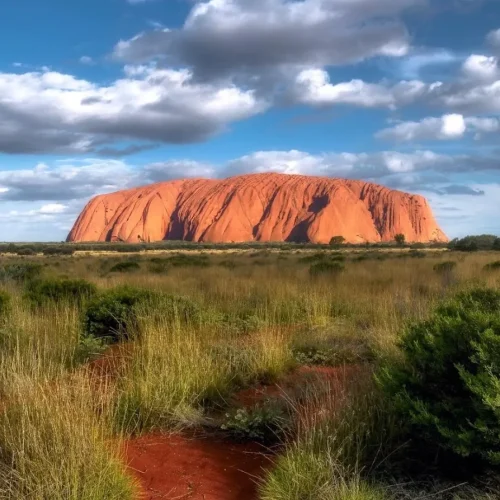
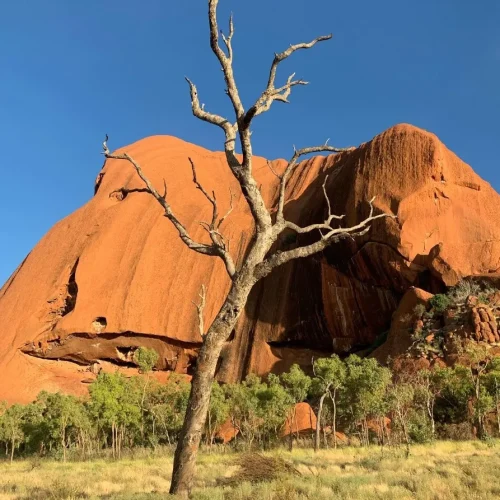
Uluru is a massive rock formation that stands tall against an otherwise flat desert landscape; however, it isn’t just visually appealing but also culturally significant. The geological history behind Uluru is as captivating as its physical appearance suggests; it was formed around 600 million years ago; this is one of the earth’s largest monolithic structures made up mainly of sandstone, which has been carved and polished by millions of years of weathering. The profound redness exhibited by this old stone comes from iron oxide present in the sandstone reacting with oxygen in air thereby giving rise to what has become its trademark colour – vibrant shades ranging from dark reds through oranges into purples under different lights during sunrise and sunset.
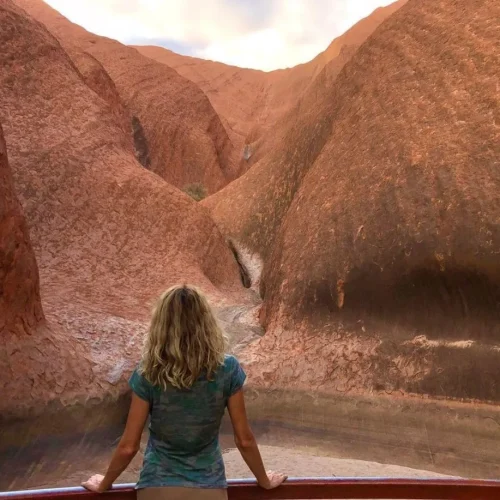
For the Anangu people (traditional owners), Uluru holds great spiritual meaning therefore it isn’t just another landmark but rather a living cultural being filled with stories about themselves as well as their ancestors’ activities while on earth. Rock art sites abound hereabouts, including such prominent ones like Kantju Gorge and Mutitjulu Waterhole, both having strong connections through which ancestral beings passed during Dreamtime journeys; each of these places also represents different aspects relating to creation. These sites cannot be separated from its physical grandeur because they help us understand how Anangu relate spiritually with this place.
Whenever the sun makes its daily appearances over or below the horizon, Uluru undergoes an enchanting transformation owing to natural lighting effects produced by atmospheric conditions around it. At daybreaks, warm gold lights up the entire surface of the rock, contrasting sharply against chilly early morning air; this is indeed a magical time when one can observe various shades appearing across the monolith’s face as they change with an increase in altitude above sea level. In the same vein, during evening hours just prior to twilight setting in – deep orange hues blend with pinkish purples, creating fantastic backdrops against which Australian outback can never fail to impress anybody lucky enough not only to see but photograph such moments too – including myself!
When should I visit Uluru?
The best time for you to come out and experience Uluru will depend on what you want do there or what your main interests are however, if possible try coming between April and October which are considered ‘winter’ months in Australia when temperatures have dropped slightly making it more bearable …(hot summer – 40˚C +)
Times of Sunrise and Sunset
The times for sunrise and sunset change every year. Therefore, visitors should plan their trips in such a way that they consider the time difference between these two events so as to get the best lighting for photos. Normally, sunrise happens somewhere between half past five and seven o’clock in the morning, depending on the season, while sunset occurs between six and half past seven in the evening. There is something special about an hour before dawn or right after dusk when everything is filled with soft golden light, which makes it ideal for taking long exposure shots against a desert backdrop lit up by the vibrant colours of the night sky.
Catching the Sunrise at Uluru
For an absolutely magical sunrise experience at Uluru, you won’t go wrong with the Talinguru Nyakunytjaku viewing area. This place overlooks both Uluru and Kata-Tjuta, another large rock formation significant to this region of Australia. To accommodate visitors of all abilities, there are wheelchair-accessible paths and amenities available in this viewing spot. When the first rays of dawn touch the rock, it reveals a myriad of colours and shadows that transform it into one giant photo opportunity.
When photographing sunrise, use a tripod and be prepared to change your camera settings frequently as the light changes around you; for example using slower shutter speeds can help capture soft hues caused by gentle variations in brightness levels throughout different parts of your image. Wide angle lenses also work well at these times because they allow you to take in more of the desert landscape whilst seeing how dramatically different parts closest to Uluru itself appear during various stages before full daylight finally arrives – don’t forget, though, that it’s often best arrived early so not only can you mark out a good position but enjoy pre-dawn moments too as these can be just as captivating.
Experiencing the Sunset at Uluru
As day turns into dusk, most people flock towards what is known as “The Sunset Strip” or better yet just head straight over onto ground level near one end, facing toward where they know something amazing will happen soon enough – at this point, let me say nothing beats being there yourself however should time not permit then yes indeed grab some snacks from Kmart petrol station across road pack up warm blankets sit back relax watch show unfold before eyes…trust me once again words cannot describe what awaits those who stay long enough! So, anyway, back onto the topic: situated here on an L-shaped platform – purpose-built for maximum viewing pleasure – overlooking the southwest direction provides breathtaking views across the entire park, including features such as Mount Conner, which can only be seen from this location.
Guided Tours & Experiences
For those who prefer a more organized approach, there are several guided Uluru tours available that take in either the sunrise or sunset at Uluru. These trips often include informative commentary about the natural and cultural history of the area, which gives visitors a greater appreciation for their surroundings. Transport is typically provided directly from your hotel or other accommodation to various vantage points, with light refreshments such as hot chocolate being offered along the way, thus ensuring comfort throughout the duration.
Practical Tips For Your Visit
Before setting off on an excursion to see either sunrise or sunset at Uluru, there are some practical considerations worth bearing in mind: firstly, make sure you drink plenty of water because desert heat can leave people feeling parched; secondly, wear loose-fitting clothes suitable for walking around in during the day but also bring something warm like the jumper in case temperature drops dramatically after dark especially if planning hike up onto higher ground where it’s generally colder than down below; thirdly comfortable footwear is essential since most paths consist gravel tracks so trainers or similar will suffice however sturdy boots could prove more appropriate should decide to explore some further afield trails; fourthly don’t forget to pack camera zoom lens plus tripod stand both these items will come handy when trying capture perfect shot while admiring magnificent views offered by nature’s own light show.
Also, utmost respect must be shown towards cultural significance associated with the site itself – aboriginal peoples consider it sacred territory; therefore, certain parts remain out of bounds for tourists and signs clearly indicate where visitors may not venture beyond so always stick park rules; otherwise have fun, enjoy yourself
If you plan your trip around when there is the most natural light and know where to see the sunrise and sunset, you will have the chance to understand completely what makes Uluru so magical and take some amazing photos. No matter if you’re taking pictures of awe-inspiring scenery or just admiring the Australian desert’s prettiness, watching sunrises and sunsets at Uluru is an enchanting once-in-lifetime opportunity that should not be missed for anything.
Accommodation Options
Deciding on the place to stay can make all the difference when arranging a trip to Uluru. The Ayers Rock Resort, situated near Uluru, provides different types of accommodation that cater to various preferences and budgets. This could range from luxurious hotels to affordable campgrounds, which offer easy access to the massive sandstone monolith and other attractions around it.
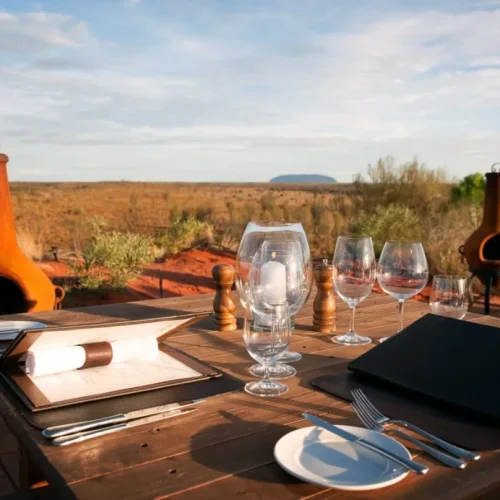
Luxury Accommodations: Those who are after fancy experiences should consider staying at Longitude 131° since they offer high-end tents that come with breathtaking views over Uluru as well as exclusive guided tours and cultural activities access. In this premium choice, one is able to blend both comfort and adventure within stunning surroundings.
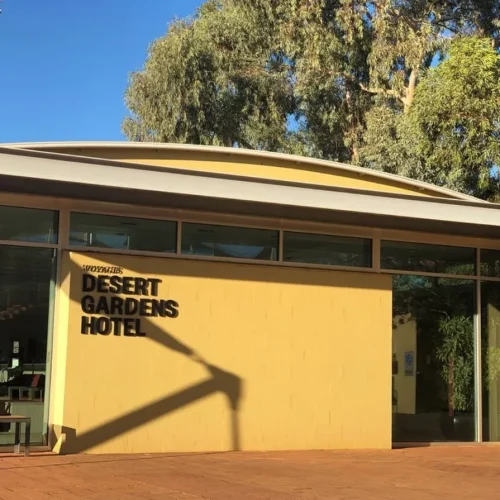
Mid-Range Options: Desert Gardens Hotel might be perfect if you’re looking for somewhere comfortable where you can wake up every morning looking out onto an endless desert landscape before exploring more of what Uluru-Kata Tjuta National Park has got in store! It also features restaurants along with swimming pools making it ideal for families or couples travelling together.
Budget-Friendly Stays: Outback Pioneer Hotel & Lodge is designed with affordability in mind, so if saving money during your trip is important, then this might be right up your alley! The rooms are basic but still offer everything needed by travellers who want nothing fancy while camping out near Ayres Rock!
Camping And Glamping: For those wanting a real immersive experience during their visit, why not try camping under the stars? Ayers Rock Campground has sites suitable for both tents and caravans or trailers, plus they even have some glammed-up options where comfy beds await after an evening filled with gazing at starry skies!
Discovering More Than Just Uluru
While undoubtedly being the main attraction, there are many other things waiting around Uluru-Kata Tjuta National Park, each offering unique experiences as well natural wonders that are worth checking out too. One such example would include Kata Tjuta, which is also known under the name ‘Olgas’, and it’s located about 50km west of Ayers Rock. These are basically huge clusters of sandstone formations that don’t fall behind their famous cousin when it comes to grandeur but at the same time provide excellent hiking opportunities as well.
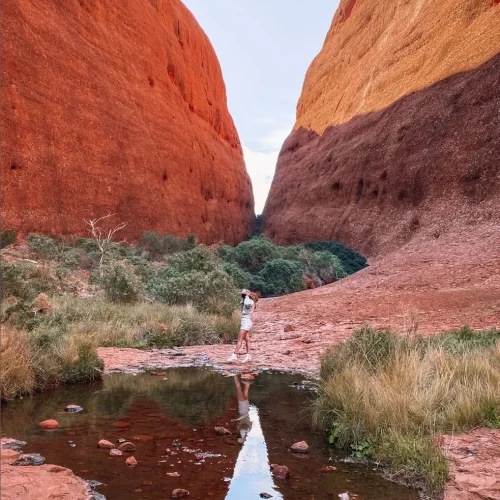
Kata Tjuta: The Valley of the Winds walk and Walpa Gorge walk are two particularly popular trails known for offering breathtaking views not only over themselves but also across vast desert landscapes surrounding them, both hikes being ideal places where one can fully appreciate unique geology or flora while basking in unparalleled serenity typical for Australian Outback.
Kings Canyon: Situated few hours away by car from Uluru this place represents another must-see destination within Northern Territory due mainly thanks its dramatic cliffs combined with abundance rock formations that simply beg be explored further! For those who don’t mind heights there’s nothing better than enjoying stunning canyon vistas provided by Rim Walks!
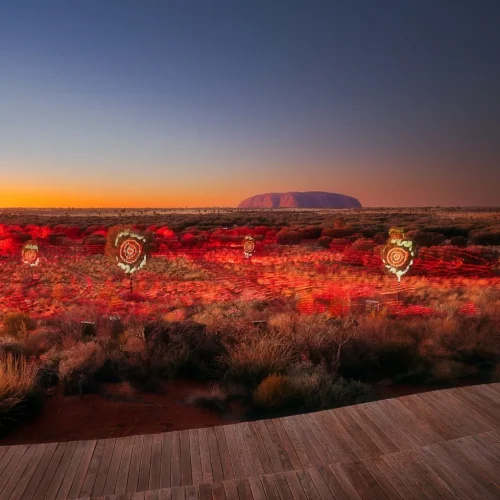
Field Of Light: Created by world-renowned artist Bruce Munro Field Of Light is a truly mesmerising art installation which consists thousands light bulbs scattered throughout desert floor producing amazing visual effects against dark background thus creating kind magical atmosphere perfectly matching natural beauty Uluru itself or even entire Outback sky!
With all these astonishing natural landmarks rich cultural heritage fascinating activities available around visitors cannot fail have best time ever during their stay near Uluru. Whether you choose explore ancient rocks marvel at guided tour presentations or simply sit back relax while soaking up some AUS scenery rest assured – your memories associated with this place will last lifetime.
Conclusion
The conclusion is that seeing the sunrise or sunset at Uluru is a great experience and represents Australia’s beauty and history. These moments allow you to connect with one of the world’s most famous natural wonders like no other, from the red shades of the rock to the never-ending desert views. You can fully appreciate its beauty by planning your trip based on when there is more natural light, going on guided walks and tours, and respecting what it means for different cultures while also ensuring that your visit is memorable. Even if you do not take many photographs or have an interest in nature at all these captivating sunrises and sunsets must leave some kind of impression on anyone who goes there.
FAQs
What time should I go to Uluru for sunrise/sunset?
You can visit between April and October for cooler weather and good photo lighting.
Where is the best place to watch the sunrise & sunset?
Do I need a permit to photograph Uluru?
There is no permit required for personal photos, but commercial photographers must have one and follow park rules.
What are their closing hours?
Uluru-Kata Tjuta National Park is open all year round; however, some areas may close due to cultural reasons or weather, so please check before you go.
What should I bring when going for a sunrise/sunset visit?
Bring water, a hat, sunscreen, a tripod and warm clothing, as it can be cold in the mornings and evenings.