Kakadu National Park, a UNESCO World Heritage site of over 20,000 square kilometres, is famous for its landscapes, Aboriginal culture and wildlife. Many visitors head to popular spots like Jim Jim Falls, Twin Falls and Yellow Water Billabong, but Kakadu also has lesser-known gems that offer peaceful, secluded experiences. These hidden treasures allow you to explore the ancient landscape, immerse yourself in Indigenous culture and escape into the unspoilt wilderness of Kakadu. A Kakadu tour is the perfect way to experience all these facets, ensuring you don’t miss any of the park’s iconic landmarks or hidden wonders.
Why go off the beaten track?
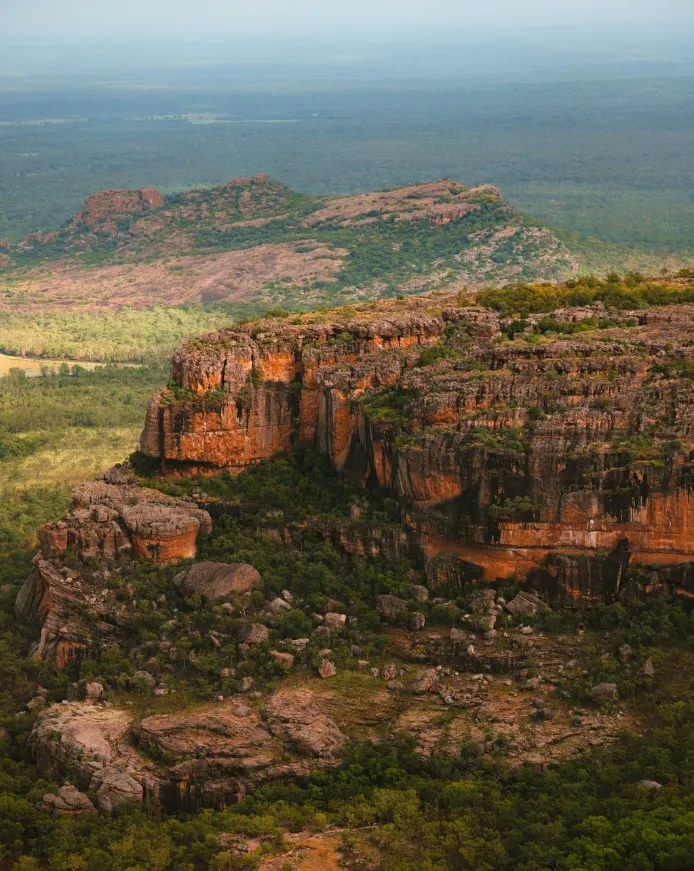
Visiting Kakadu’s famous icons is great but going to the lesser known spots allows you to connect more with the park’s cultural and natural values. Away from the crowds you can appreciate the rugged landscapes, ancient culture and abundant wildlife in a peaceful atmosphere. Whether you’re a nature lover, history buff or adventure seeker Kakadu’s hidden gems will give you unforgettable experiences of the park’s diversity and cultural heritage.
Maguk (Barramundi Gorge)
Often overlooked for the more famous waterfalls like Jim Jim Falls and Twin Falls, Maguk Gorge is a real gem of Kakadu. Located in a remote part of the park, Maguk is only accessible via a coastal walk through monsoon rainforest. The track leads to a beautiful crystal clear plunge pool at the base of a waterfall where you can swim in peace surrounded by towering cliffs and greenery.
Unlike the more picturesque spots, Maguk is relatively quiet so it’s the perfect place to soak up the panoramic views without the crowds. The natural beauty of this secluded spot is enhanced by the thriving ecosystem with various bird life including the iconic magpie geese which can often be seen flying overhead. Whether you’re swimming in the cool water or lounging by the pool’s edge Maguk is a peaceful retreat into nature.
Jarrangbarnmi (Koolpin Gorge)

For the more adventurous, Koolpin Gorge (also known as Jarrangbarnmi) is a remote and rugged destination that will give you an intimate connection with the unspoilt wilderness of Kakadu. Accessible by permit only, Koolpin Gorge is famous for its gorges, waterfalls and crystal-clear pools. It’s perfect for experienced hikers who want to experience Kakadu’s raw beauty.
Koolpin Gorge’s isolation is part of its charm. You can experience the park’s natural wonders without the crowds. The surrounding stunning landscape, with towering cliffs and dramatic rock formations, feels like you’re in a hidden world. The deep plunge pools of Koolpin are perfect for a swim, and the surrounding wildlife, from colourful birds to wallabies, adds to the adventure. For those who love discovering a place untouched by mass tourism, Koolpin Gorge is one of Kakadu’s best-kept secrets.
Gubara Pools
In the northern part of Kakadu the Gubara Pools are a peaceful retreat for nature lovers and bird enthusiasts. The 6km return walk takes you through monsoon forest, sandstone cliffs and picturesque landscapes before arriving at a series of natural pools. Unlike Jim Jim Falls Gubara is one of Kakadu’s secrets, an off the beaten track experience in a peaceful environment.
The pools themselves are perfect for a swim, with crystal clear water reflecting the green surrounds. Gubara Pools are also home to a wide variety of bird life including the ever present magpie geese, so great for birdwatching and wildlife photography. The combination of peace, natural beauty and abundance of wildlife makes Gubara one of Kakadu’s hidden gems, perfect for getting back to nature.
Gunlom Falls (Waterfall Creek)

Gunlom Falls is getting more popular but still a quieter alternative to the famous Twin Falls and Nourlangie Rock. Gunlom is famous for its natural infinity pool and has some of the best breathtaking views in Kakadu. After a steep climb to the top of the falls you are rewarded with a beautiful swimming spot and stunning views of the ancient landscape as far as the eye can see.
The crystal clear waterfall that feeds into the infinity pool is surrounded by lush greenery, a perfect spot to relax and contemplate. The combination of rugged beauty and peace makes Gunlom a must see for anyone who wants to experience one of Kakadu’s most beautiful spots. Whether you take a dip in the cool water or just sit and take in the view Gunlom is a hidden gem that shows off the park’s natural beauty at its best.
Nanguluwur Art Site
Kakadu is famous for its ancient rock art and while most visitors head to Ubirr and Nourlangie Rock to see the art, the lesser known Nanguluwur Art Site is equally fascinating. Near Nourlangie, Nanguluwur is home to some of the most intricate and well preserved rock art in Kakadu, depicting traditional life, hunting scenes and spiritual beliefs.
The short walk to the art site takes you through monsoon forest and has great views of the surrounding landscape. Unlike the more crowded rock art sites Nanguluwur is a peaceful experience, you can really appreciate the cultural significance of the art in a more intimate way. For history buffs and those who want to learn more about Kakadu’s Aboriginal culture Nanguluwur is a hidden gem.
Red Lily Billabong
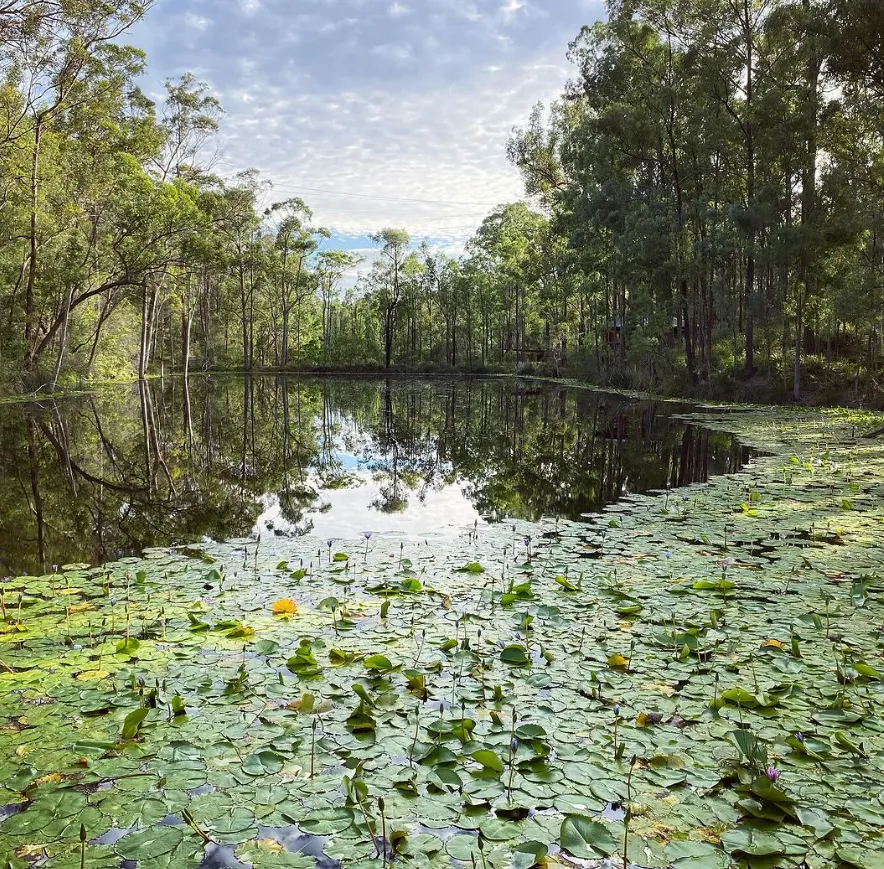
A real hidden gem in Kakadu, Red Lily Billabong is a secluded spot where the red lilies bloom in the water and the green landscape is stunning. The billabong is perfect for a quiet picnic or a moment of peace away from the hustle and bustle of the rest of the park.
The area is alive with native wildlife, from water birds to reptiles, so it’s a great spot for wildlife watching. Red Lily Billabong is a peaceful retreat into nature where you can enjoy Kakadu without the crowds. Its colours and tranquillity make it one of the park’s most beautiful swimming holes, perfect for those looking for a quiet escape.
Jabiru Wetlands
Another off-the-beaten-track attraction, the Jabiru Wetlands, is a birdwatcher’s and photographer’s paradise. Located away from the main tourist roads, this area is home to many bird species, including black-necked storks and magpie geese. The wetlands are a peaceful place to observe Kakadu’s natural environment, so come and unwind and connect with nature.
The quietness and biodiversity of the wetlands make this one of Kakadu’s secrets. Whether you’re a keen birdwatcher or just looking for a quiet spot to chill out, the Jabiru Wetlands are a chance to experience Kakadu’s wildlife in peace.
Why Kakadu’s Hidden Gems Matter
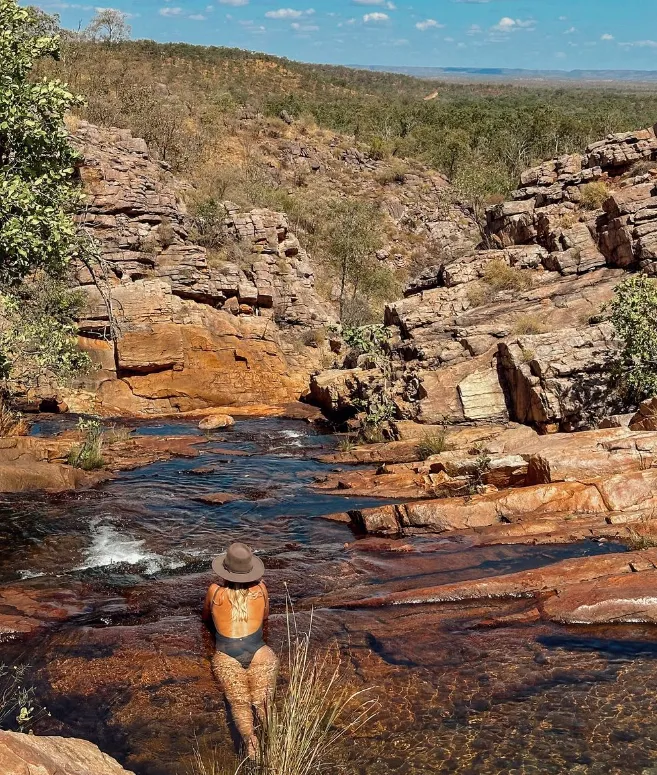
Visiting Kakadu’s off the beaten track attractions is more than just the excitement of discovery. These places give you a deeper connection to the park’s Indigenous culture, natural environment and biodiversity. Away from the crowds you can fully appreciate Kakadu’s rugged landscapes, ancient rock art and secluded pools and billabongs.
By visiting Kakadu’s hidden gems, you’ll find a world of beauty, from the peaceful pools of Maguk Gorge to the quiet waters of Red Lily Billabong. These secluded spots are a chance to experience Kakadu’s landscapes and cultural heritage without the crowds. Whether you’re an adventurer looking for wilderness or a traveller seeking peace and quiet, Kakadu’s secrets will leave you in awe.
FAQ
When should I visit the lesser-known areas?
Dry season May to October is the best time to visit Kakadu as roads and trails are open and the weather is perfect for exploring the park’s secrets.
Do I need a permit for some areas?
Yes some areas like Jarrangbarnmi (Koolpin Gorge) require a permit. Check with Parks Australia for the latest information on access and permits before you go.
Family-friendly?
Many of the lesser known areas, like Maguk Gorge and Gubara Pools are family friendly, but some like Koolpin Gorge are more for experienced hikers and adventurers.
Can I camp near these hidden spots?
Yes, camping is available near many of Kakadu’s hidden gems, but some areas are more remote and require more planning. Check camping regulations and availability before you go.
Are there guided tours for Kakadu’s hidden treasures?
Yes several local Kakadu tour operators offer guided experiences to Kakadu’s hidden gems and provide insight into the park’s cultural heritage, ancient rock art sites and natural beauty.