What is the Big Chimney in Katoomba? You’ll see it if you walk past Scenic World or Katoomba Street and crane your neck — a tall, red-brick tower that looks a bit out of place among the Bunya pines, art deco facades and cafes of the Upper Mountains. For me, Paul Beames, it’s more than a stack of bricks. It’s a time capsule of coal, steam and sweat that shaped the Blue Mountains long before the Three Sisters or Echo Point became postcards.
The chimney stands as a stubborn reminder of an industrial age, a Victorian-era giant that once belched smoke into the clean mountain air. These days, people come for Katoomba Scenic Railway thrills, Carrington Hotel cocktails or a night at the Savoy Theatre-turned-nightclub — but the Big Chimney connects you straight back to the grit and grind that made this resort town tick.
History of the Chimney
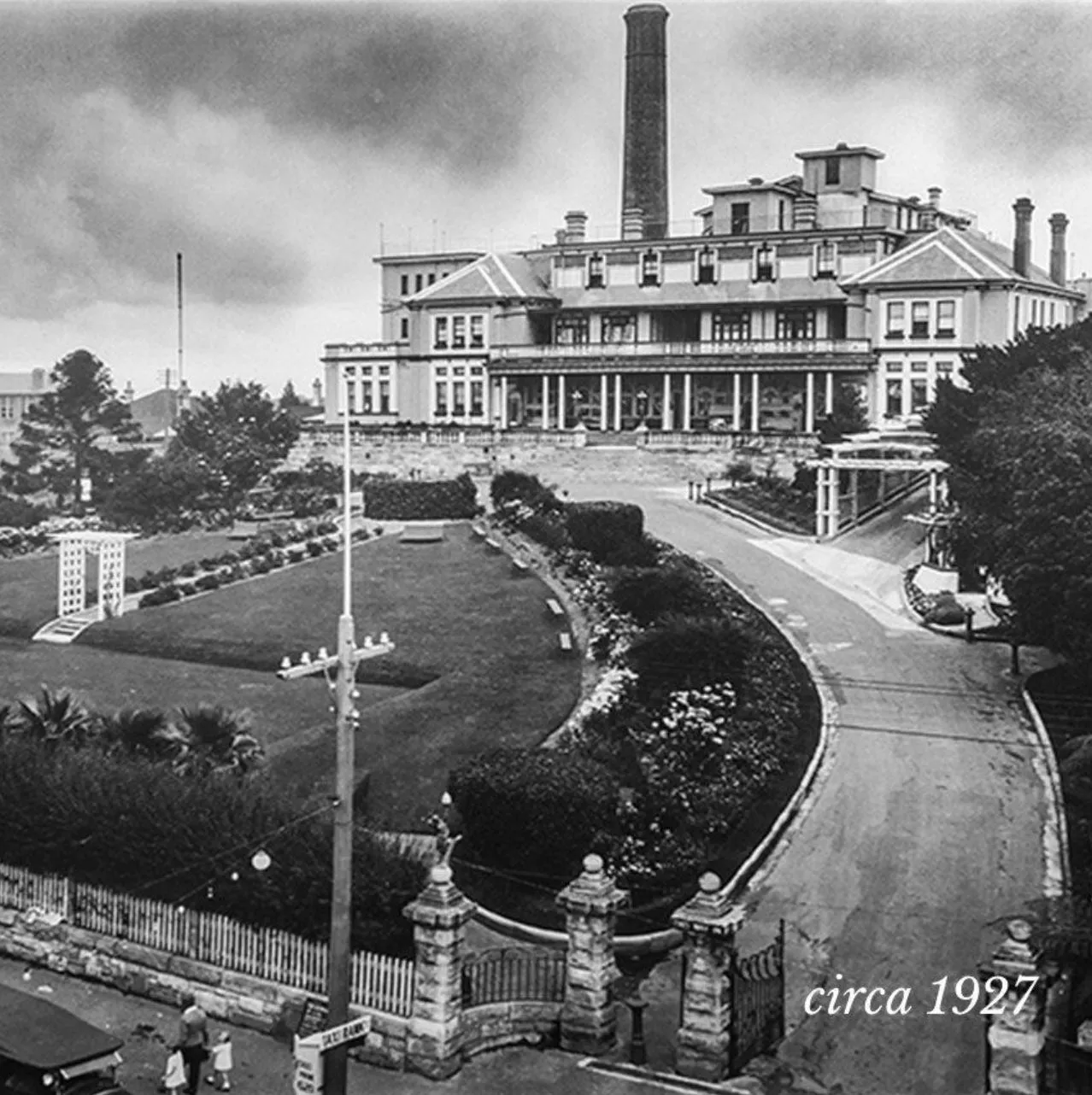 Before Katoomba became the “Grand Old Lady of the Mountains” with hotels, dining halls and art nouveau facades, it was a mining town. The chimney was built in the late 1800s as part of the Katoomba Coal Mine complex in the Jamison Valley. The mine’s steam engines needed a power source, and the chimney — later called the Carrington Stack — was built to vent the furnace smoke of the boiler house.
Folks like Edward Hewlett Hogben and John Kirkpatrick were shaping Katoomba into a resort hotel hub at the same time the miners were digging coal. The town had a double life: elegant guests arriving at Katoomba railway station for weekends at the Great Western Hotel, while miners trudged home black-faced along Hat Hill Road.
Notable names in the chimney’s story include Harry Peckman, a local pioneer, and Harry Rowell, one of the coal operators who used its engines to run the incline railway. Later, historians like Jim Smith, John Low and John Merriman pored over archives at the Blue Mountains City Library and Springwood Library to piece together the chimney’s story.
If you’re on a guided Blue Mountains tours, the driver will probably point out the chimney as you drive through town — it’s one of those landmarks that hides in plain sight until someone tells you the story.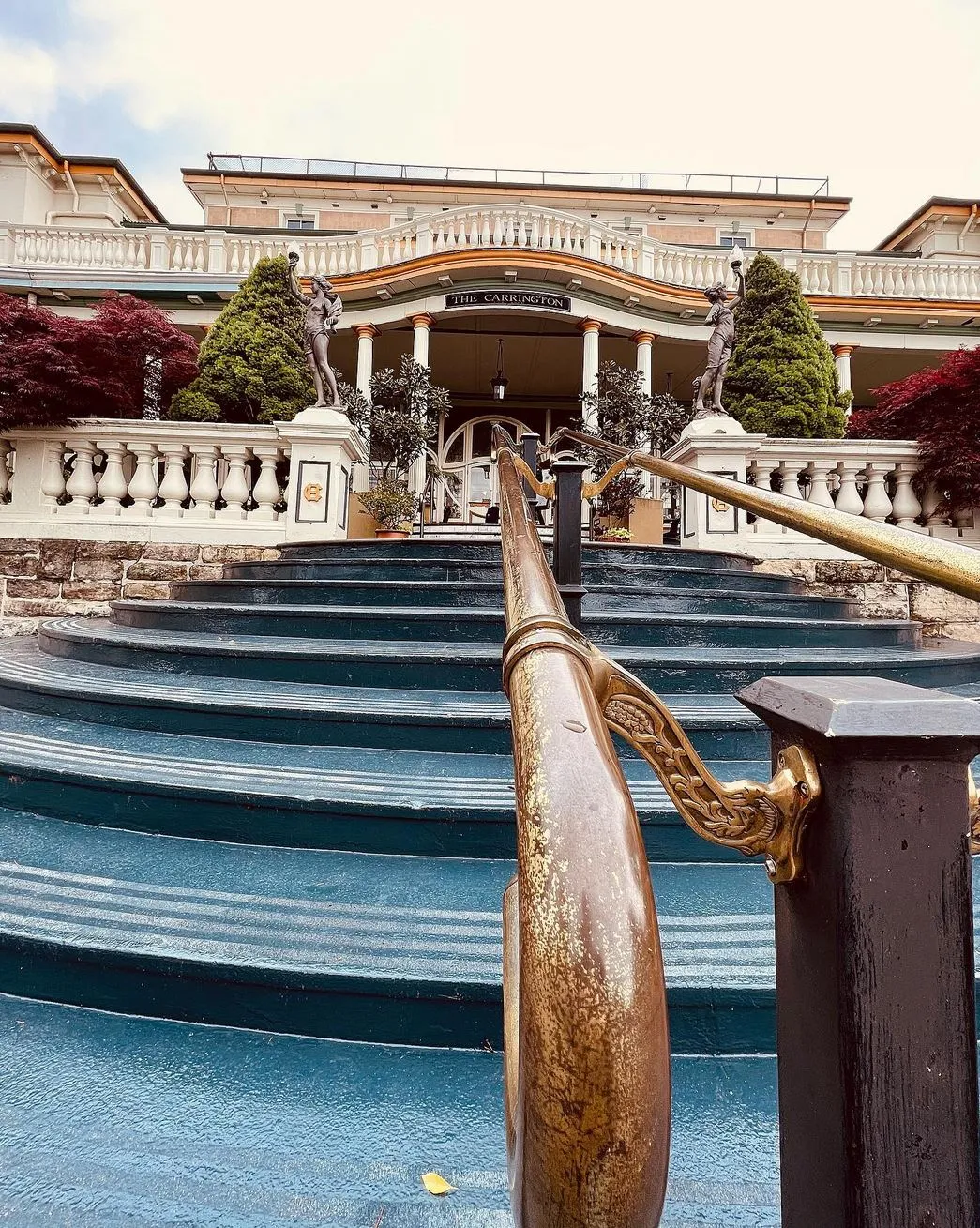
A Snapshot of Katoomba’s Industrial Past
Katoomba wasn’t always coffee shops and Carrington Cellars and Deli wine tastings. It was soot, sweat and coal trucks. By 1882, the Jamison Valley was producing 40,000 tonnes of coal a year. By 1910, over 100,000 tonnes were being hauled up the mountain via the tramway that would later become Scenic World.
| Year | Coal output (tonnes) | Local miners | Major use |
|---|---|---|---|
| 1882 | 40,000 | ~150 | Sydney industry |
| 1900 | 80,000 | ~300 | Growing rail & power demand |
| 1910 | 100,000+ | ~400 | Sydney factories & power stations |
The mine had its own power station, with a co-generation power system designed by Goyder Brothers, who also did the electricity supply at the Carrington Hotel. That’s why the chimney is sometimes called the “Carrington Stack” — the hotel used the same supply.
Workers walked past the chimney every day, and the smoke was constant. Families lived in little cottages nearby, while wealthy Sydneysiders strolled the garden of the Carrington Inn, admired Ming vases in the lobby and dined in ornate halls. The contrast was stark — coal dust vs chandeliers.
Why the Chimney Still Stands
Lots of Katoomba’s industrial relics have disappeared — the tramways, tunnels and even some of the resort hotels like Froma House are long gone. But the Big Chimney remains. Why?
- Engineering: It was built to last with thick bricks, a lightning rod and a conducting strap down the side.
- Community pride: Locals fought to save it from demolition in the 1970s when the site could have been bulldozed.
- Heritage listing: It’s on the Heritage Register as a key site of industrial archaeology in the Leura/Katoomba area.
Today, the Big Chimney is fenced but open to view. It’s not just a structure but a heritage site alongside other Katoomba icons like the Carrington Hotel, St Hilda’s Church of England and Katoomba Court House.
The chimney’s survival is a form of landscape archaeology — reading the town’s industrial scars the same way you’d study ancient trig stations or Anvil Rock lookout.
This industrial landmark is a perfect starting point for those who want to dig deeper into the history of NSW. It’s a similar draw for guests who book Tours with Southern Lights Hotel, where the focus is often on exploring the unique heritage and local landmarks that define the region’s character. Whether you’re staring up at a Victorian-era chimney or exploring the southern reaches of the state, it’s these structural survivors that tell the real story of how Australia was built.
Where to Find
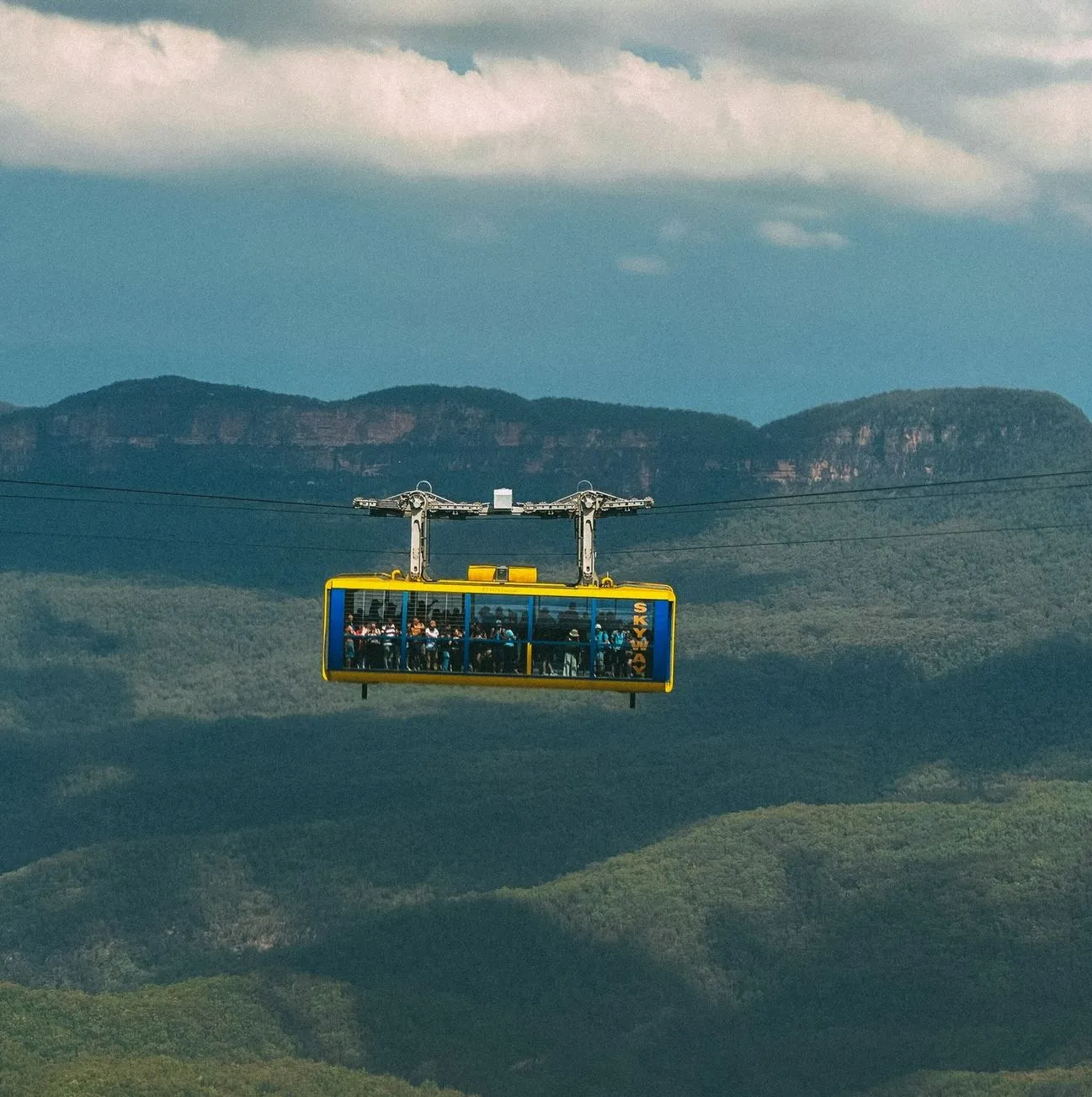 You’ll find the Big Chimney on Violet Street, near Scenic World and the Katoomba Scenic Railway — itself a relic of coal-hauling days. It’s a short walk from Katoomba railway station and only minutes from Echo Point, where tourists gather for photos of the Jamison Valley and The Three Sisters.
- Nearest landmarks: Scenic World, The Gully (a significant Aboriginal site), Katoomba Falls.
- Street access: Visible from Hindman Street and Violet Street.
- Walkability: Easy from Katoomba Street cafes or the Carrington Hotel.
While you’re in the area, check out:
- Carrington Hotel — the art nouveau “Grand Old Lady of the Mountains,” designed by John Kirkpatrick.
- Old City Bank Brasserie and Baroque nightclub — both part of the hotel’s history.
- Carrington Cellars and Deli — the old storage tunnels reborn as a wine cellar.
- Young’s Chinese Restaurant or Harps and Fiddle Irish Pub — Katoomba institutions.
Stories From the Past
Old miners would tell you that chimney smoke was a weather gauge. If the smoke drifted north, a southerly was on the way; if it hung low, rain was coming. One bloke I chatted to in town years back reckoned the chimney “spoke louder than the weatherman.”
Now, instead of coal dust, you’ll hear the laughter of kids heading into Scenic World, or bushwalkers comparing leech bites after a wet track wander. Same spot, different era.
While Katoomba offers a look at the grit of the mining era, it provides a fascinating contrast to the natural alpine beauty you might experience on a Snowy Mountains Holidays Tour. Transitioning from the soot-stained history of the Blue Mountains to the crisp, white peaks of the High Country shows just how diverse the landscape of New South Wales really is. Both regions share a history of tough pioneers and engineers who had to battle the elements to make their mark on the map.
Local Tips and Hacks
 Visiting the Big Chimney doesn’t take long, but here’s how to make the most of it:
- Pair it with Scenic World: Ride the railway, then wander to the chimney to connect the dots between fun and history.
- Look for plaques: Heritage markers often explain details about underground tunnels and the cogeneration power system once linked to the Carrington.
- Morning light: Just after sunrise, the brickwork glows against the eucalyptus backdrop.
- Ask a librarian: The Blue Mountains Library or Springwood Library holds maps, photos, and oral histories of the chimney.
- Festival timing: If you’re here for events like Wines of the West at the Carrington or a performance by the Lithgow Highland Pipe Band, slot in a chimney visit.
Quick checklist
- Camera or phone for photos
- Sturdy shoes (the ground can be uneven)
- A jacket — mornings in the Upper Mountains can freeze your socks off
- Curiosity — ask locals about names like William Andrew Murphy or James Henry Neale, who shaped early Katoomba
FAQ
Why is the Big Chimney sometimes called the Carrington Stack?
Because it was part of the power supply linked to the Carrington Hotel, run by the Goyder Bros. & Tozzi’s system in the early 20th century.
Is the Big Chimney heritage-listed?
Yes. It appears on the NSW Heritage Register and is protected as an industrial relic.
Can I go inside the chimney or tunnels?
No. The chimney is fenced, and the underground tunnels are unsafe. You can view them via heritage walks and archives at the Blue Mountains City Library.
What else is nearby if I visit the chimney?
You’re close to Scenic World, The Gully Aboriginal site, Echo Point, Katoomba Falls, and the Carrington Hotel.
Who built the chimney?
Built as part of the Katoomba Coal Mine’s power system in the late 1800s with Harry Rowell and later the Goyder Bros.