Kakadu National Park in the Northern Territory is a treasure trove of natural beauty, cultural significance and biodiversity. As one of Australia’s biggest and most ecologically diverse parks, it’s a haven for eco-aware travellers to practice responsible tourism. With its rich Indigenous culture, sacred sites and stunning landscapes, Kakadu is a model of how tourism can exist with conservation. Here’s a rundown of the top eco-friendly Kakadu tour practices that help preserve Kakadu’s environment and rich culture.
Respect Aboriginal Culture and Sacred Sites
Kakadu National Park is a living cultural landscape that holds great spiritual and historical significance for the Aboriginal people. This is reflected in the many cultural sites throughout the park, including ancient rock art and sacred landscapes. When visiting these sacred areas you need to respect local customs and follow the guidelines set by Parks Australia.
Engage with Indigenous Culture:
- Cultural Experiences: Join cultural experiences run by Indigenous led tourism operators. These activities such as bush tucker Kakadu day tours and traditional storytelling will give you a deep understanding of Aboriginal culture and traditions. (like to book tour https://autopiatours.com.au/eco-tours-australia/darwin/darwin-to-kakadu-day-trip/)
- Sacred Sites: Some of the park’s most significant cultural sites are the rock art galleries and holy landscapes that are spiritually significant to the local Aboriginal communities. Don’t touch or alter these sites.
Top Sites to See:
- Jim Jim Falls: Dramatic waterfall and cultural significance. Respect the natural and cultural aspects of this fantastic site.
- Twin Falls: Another beautiful site that combines natural and cultural heritage.
- Gunlom Falls: Scenic views and cultural significance. Follow the guidelines for these and other cultural sites.
Practice Sustainable Tourism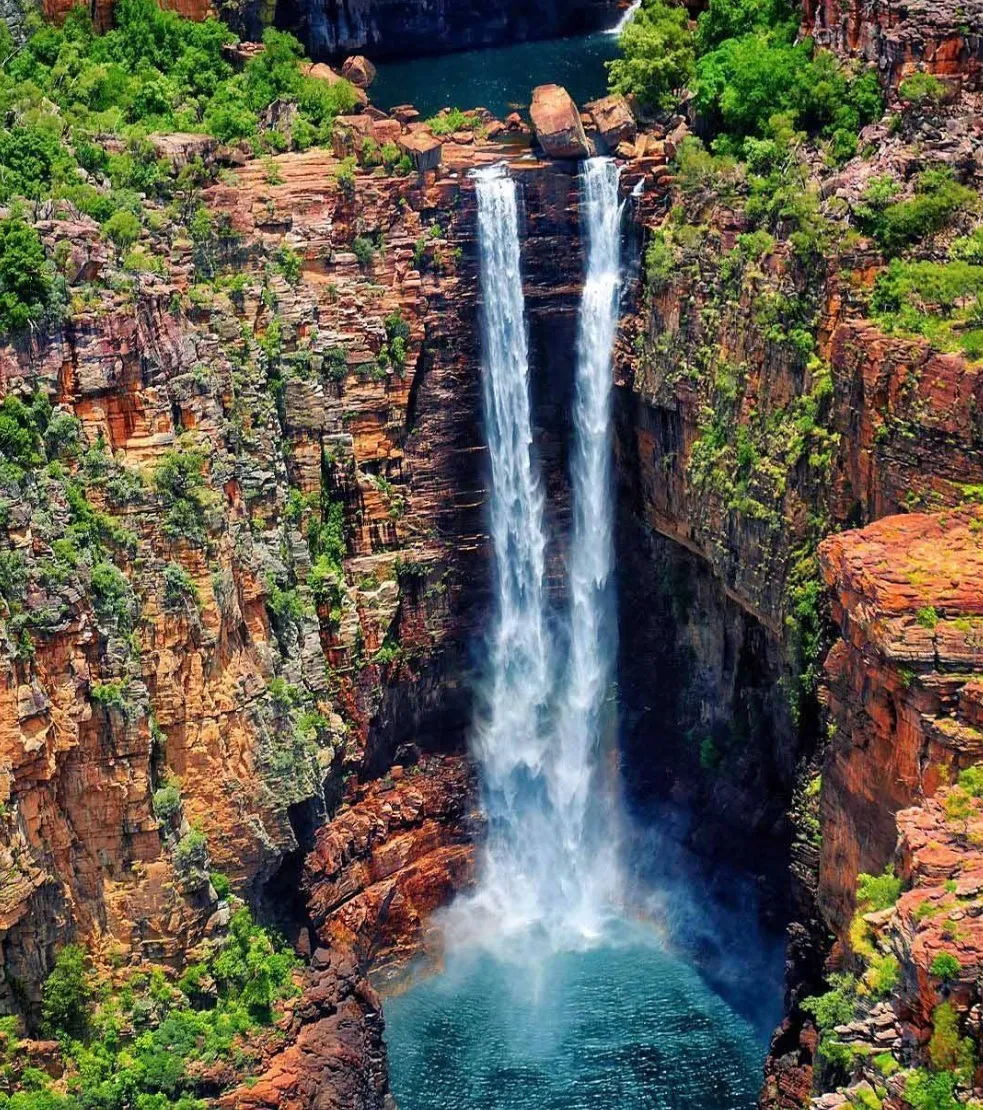
Kakadu Tours is a leader in ecotourism. Visitors can help the park by:
- Eco Products: Use biodegradable soaps and sunscreens to protect Kakadu’s waterways. Don’t use products that can pollute the natural environment, especially in aquatic areas like Yellow Water Billabong.
- Indigenous-Led Tourism: Join Indigenous-led tours and activities that are sustainable. These tours often visit cultural sites and promote eco-friendly practices.
- Reduce Waste: Bring reusable water bottles, containers and bags. Make sure all waste is disposed of properly to avoid litter and pollution.
Ecotourism Facilities: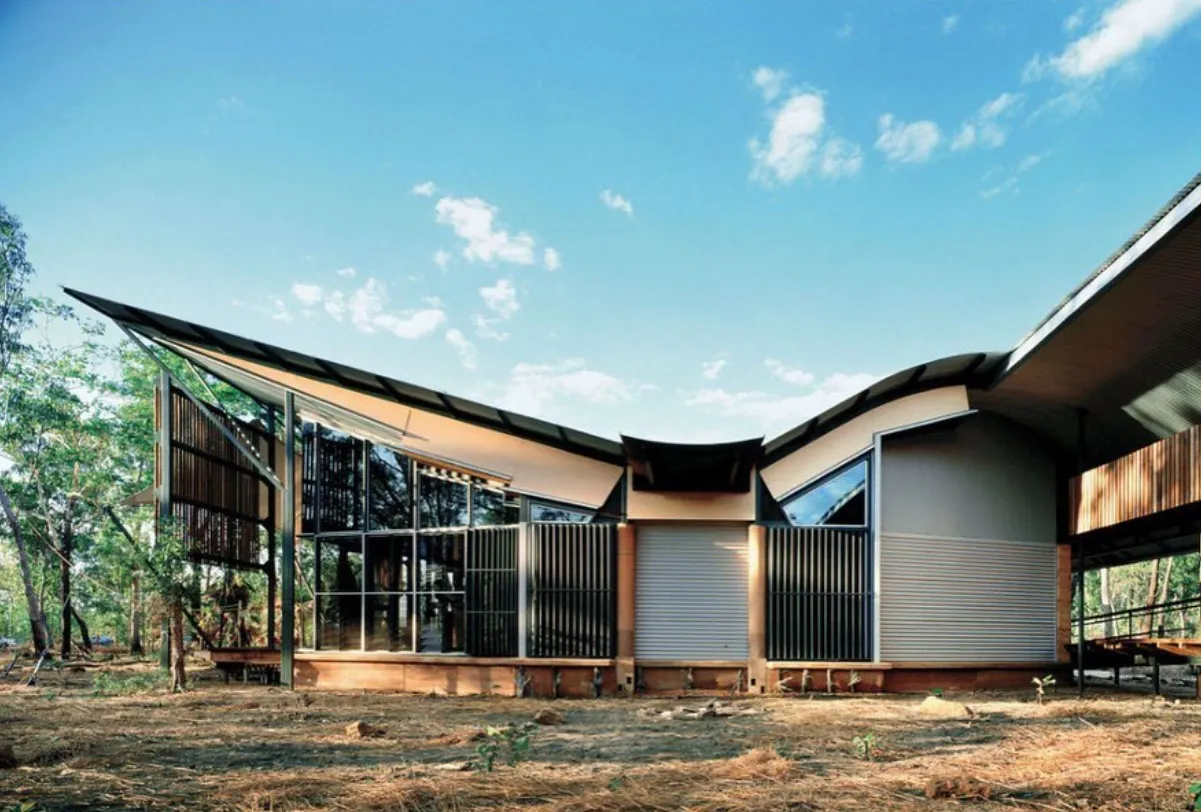
- Bowali Visitor Centre: Information on sustainable tourism and conservation in Kakadu. Resources on how to reduce your impact while you visit.
- Ecotourism Facilities: Support and get involved in proposals for sustainable new ecotourism facilities.
Stay on Tracks and Respect Road Access
To protect Kakadu’s many ecosystems, including the tidal mudflats and bushland, you need to stay on designated tracks and follow road access rules. This helps prevent damage to sensitive areas and erosion.
Important Areas: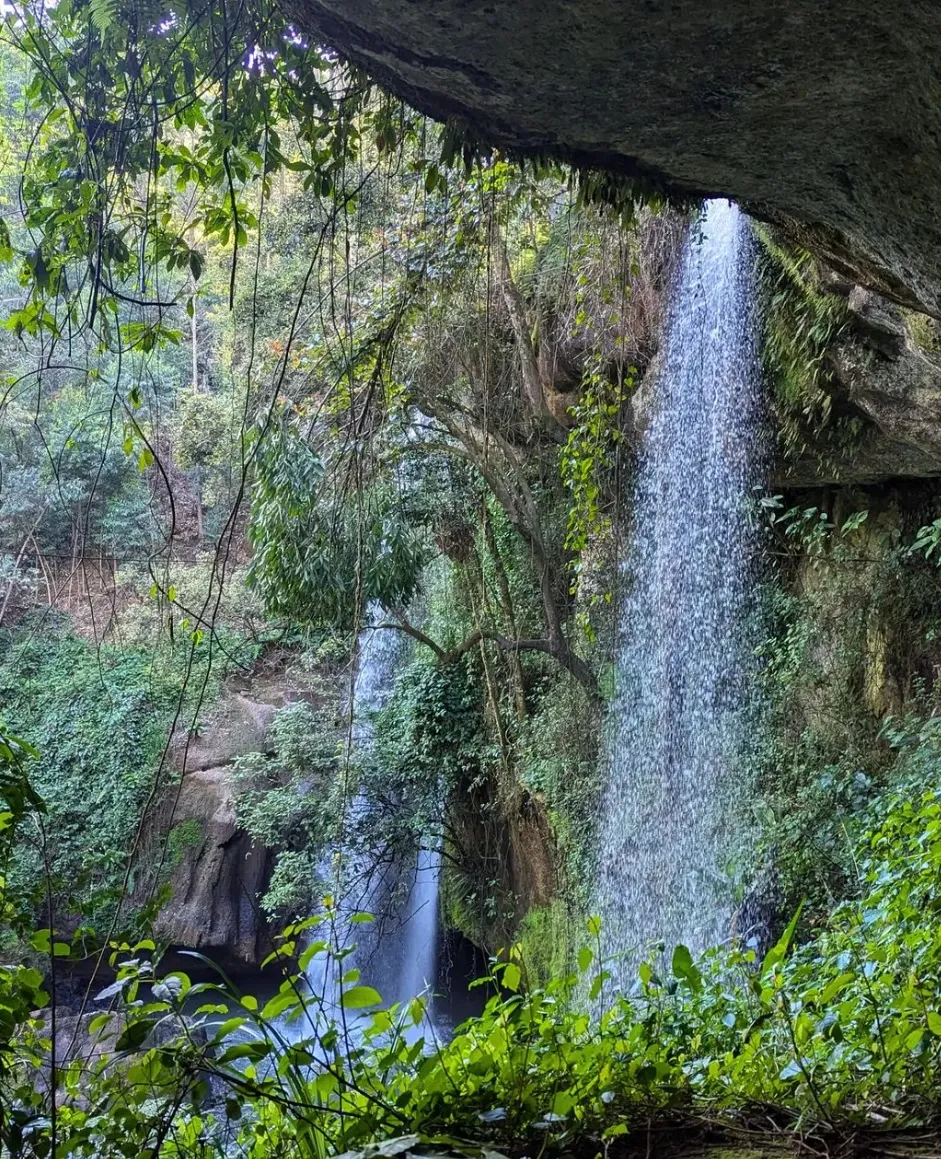
- Tidal Mudflats: These are important for local wildlife, so be careful. Staying on the track helps protect these areas.
- Billabongs: Popular for swimming at Gunlom Falls and other places, but use designated swimming areas and don’t disturb wildlife.
Road Access and Permits:
- Commercial Permits: Make sure you have the proper permits for commercial activities and respect all road access and park fee rules.
- Park Pass: Get a Park Pass to enter, which helps fund conservation and park management.
Know and Minimise Climate Change Impacts
Kakadu is experiencing climate change impacts including changing rainfall patterns and more frequent extreme weather events. Knowing these impacts and changing your travel habits helps conservation.
Climate Change Impacts:
- Ecosystem Impacts: Changes in wet and dry seasons affect the park’s plants and animals. Check with the Department of Climate Change and the Department of Environment for information.
- Adapt Your Visit: Visit during the dry season (May to October) to avoid wet season disruptions (November to April). Be prepared for changing conditions and park access changes.
Eco-Friendly Activities
Do eco friendly activities that align with sustainable tourism principles and minimalise environmental impact. Kakadu has many nature based experiences where you can enjoy the park while helping to protect it.
Nature Based Experiences:
- Airboat Experience: Explore the wetlands responsibly with eco-friendly airboat tours that showcase the park’s ecosystems.
- Bush Ranger Tours: Learn about the park’s ecology and conservation with knowledgeable guides who practice sustainable tourism.
Support Local:
- Crocodile Hotel: Stay at the Crocodile Hotel, which is environmentally responsible and supports conservation.
- Local Economic Support: Support businesses that promote sustainable tourism and environmental management actions.
Support Conservation and the Local Economy
Your visit can help support conservation and the local economy. By doing eco friendly activities and supporting local businesses you are helping the park.
Revenue and Economic Impact:
- Park Pass Revenue: Park pass funds go towards maintaining the park’s infrastructure and conservation programs.
- Overnight Visitor Spend: Spending on local services and accommodation supports the community and a sustainable tourism economy.
Local Communities:
- Indigenous-Led Initiatives: Support projects led by local Indigenous communities that protect cultural heritage and promote sustainable practices.
- Partners: Work with tourism operators and organisations that partner with the park to enhance conservation and eco-friendly practices.
Be Aware of Wildlife and Invasive Species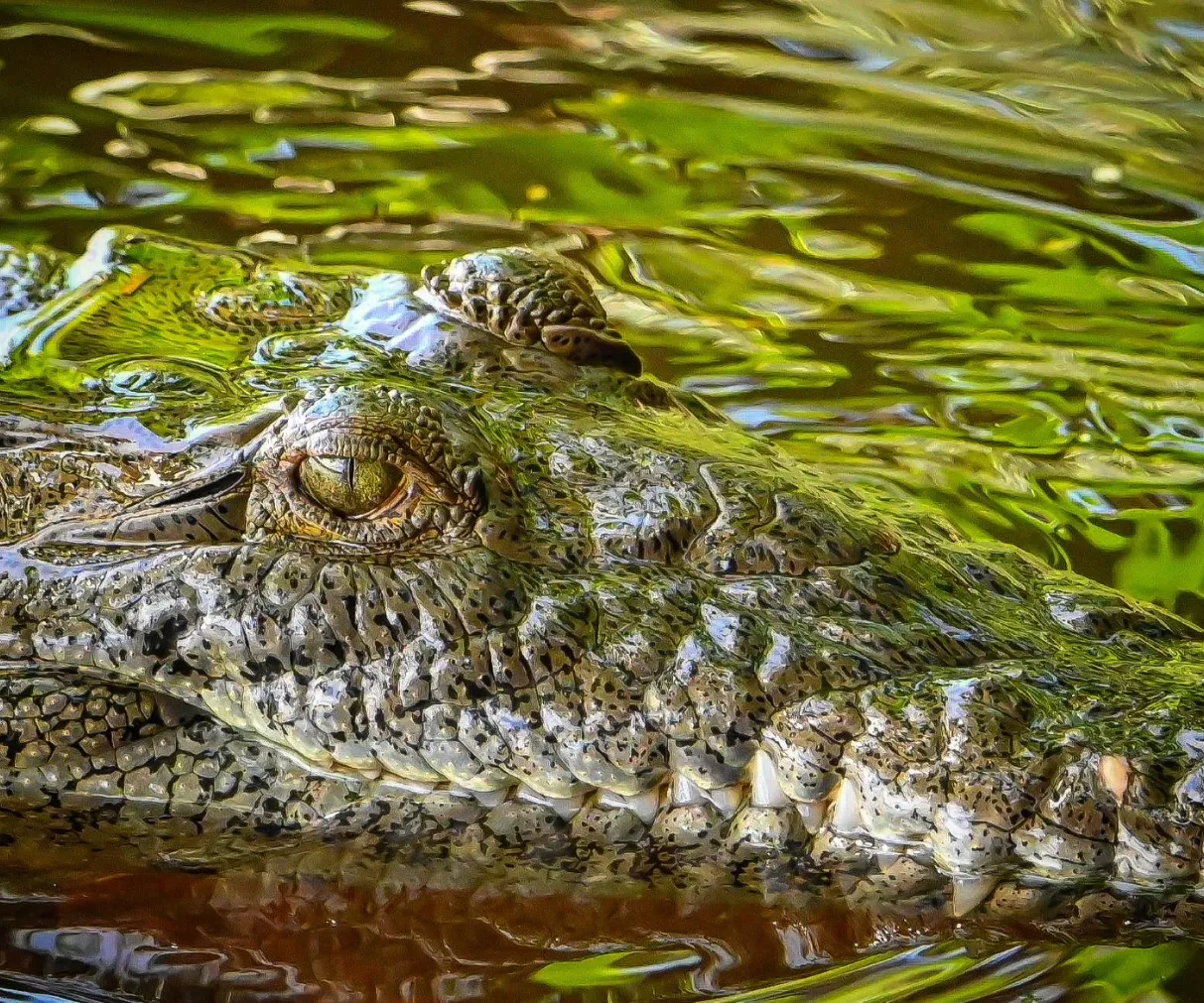
Kakadu’s got wildlife and invasive species so be careful with saltwater crocodiles and don’t interact with them. Be aware of invasive species that can harm local ecosystems.
Wildlife Safety:
- Saltwater Crocodiles: Keep your distance and don’t touch. Follow all safety signs and guidelines to keep yourself and the wildlife safe.
- Reporting Invasive Species: If you see invasive species, report them to park authorities to protect native plants and animals.