The Larapinta Trail, 223km long through the rugged NT, is one of Australia’s most iconic long-distance walks. Ormiston Gorge, Redbank Gorge and Ellery Creek Big Hole are just some of the highlights, with rock wallabies and wildflowers along the way. But the arid environment and limited water mean proper hydration planning is key to a successful walk.
Hydration on the Larapinta Trail
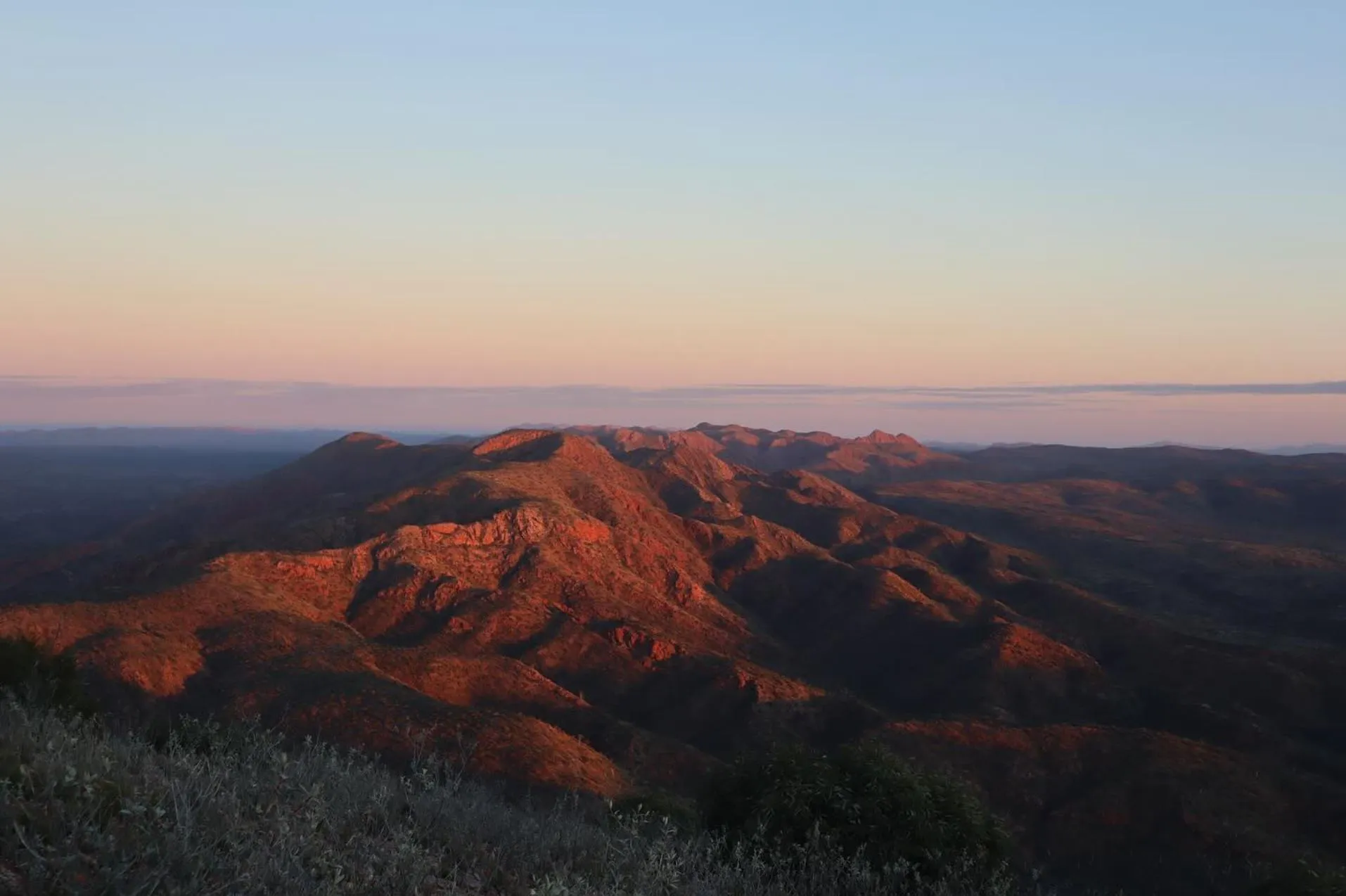
The Larapinta Trail is a tough walk that requires careful planning to avoid dehydration. The arid environment and high temperatures and remote locations means water management is top priority. Staying hydrated helps
- Keep your energy up.
- Regulate your body temperature.
- Avoid heat exhaustion, heatstroke or dizziness.
On some sections of the trail you may not see a water source for hours. Without proper hydration planning you can suffer serious health consequences, especially on long distance walks through tough terrain like Razorback Ridge or Counts Point.
How Much Water to Carry?
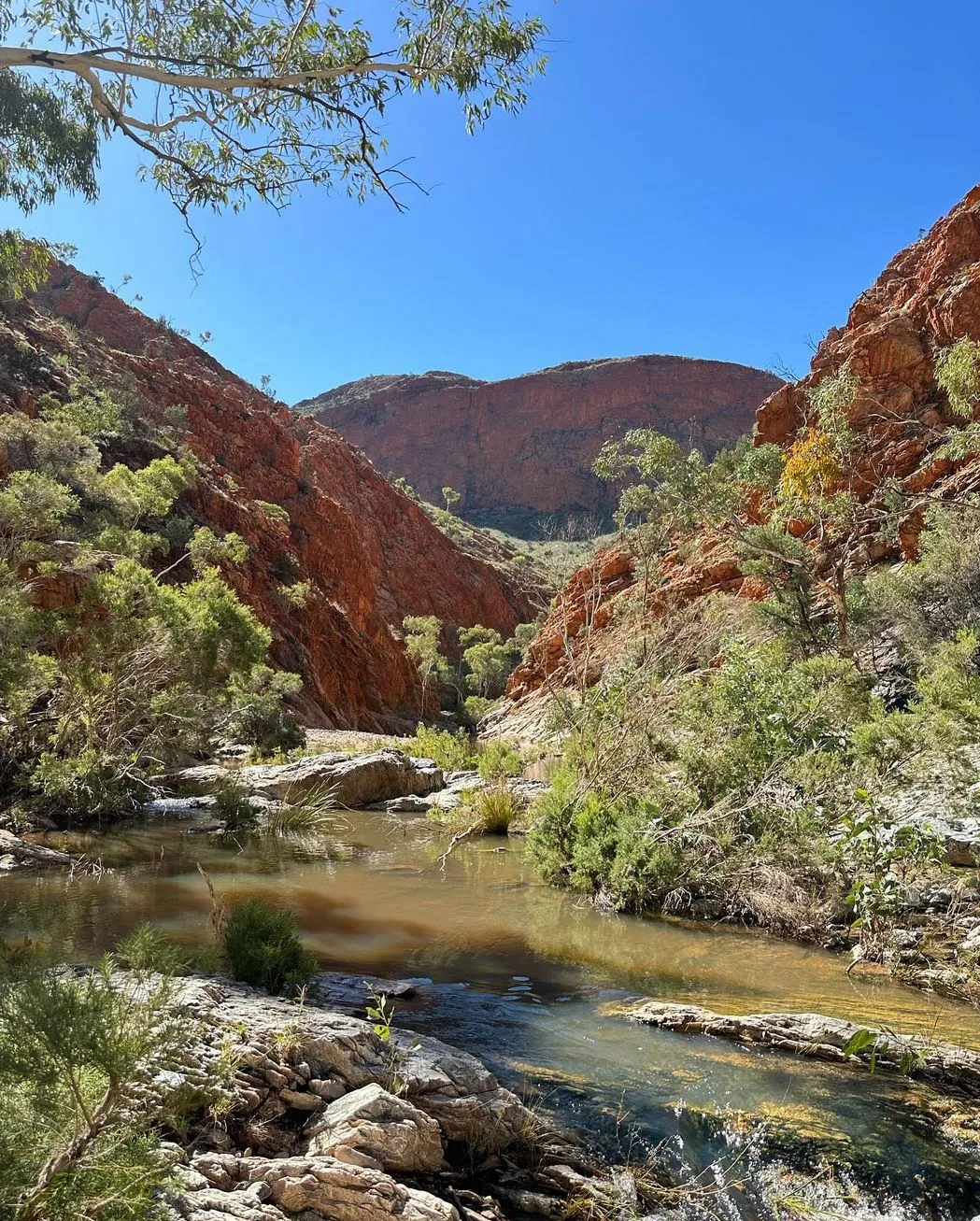
General Rules:
- For day walks, carry 3–5 litres of water.
- For multi day sections or dry camps like Counts Point and Razorback Ridge, you may need 6–8 litres of water per day for drinking, cooking and hygiene.
Factors to consider when planning water needs:
- Weather: Hot days require more water.
- Fitness level: Less fit hikers may need more hydration.
- Trail difficulty: Tough sections like Hilltop Lookout and Inarlanga Pass will increase water demand.
Water on the Larapinta Trail
Water availability is dependent on reliable water sources, water tanks and natural water sources like permanent waterholes.
Water Refill Points:
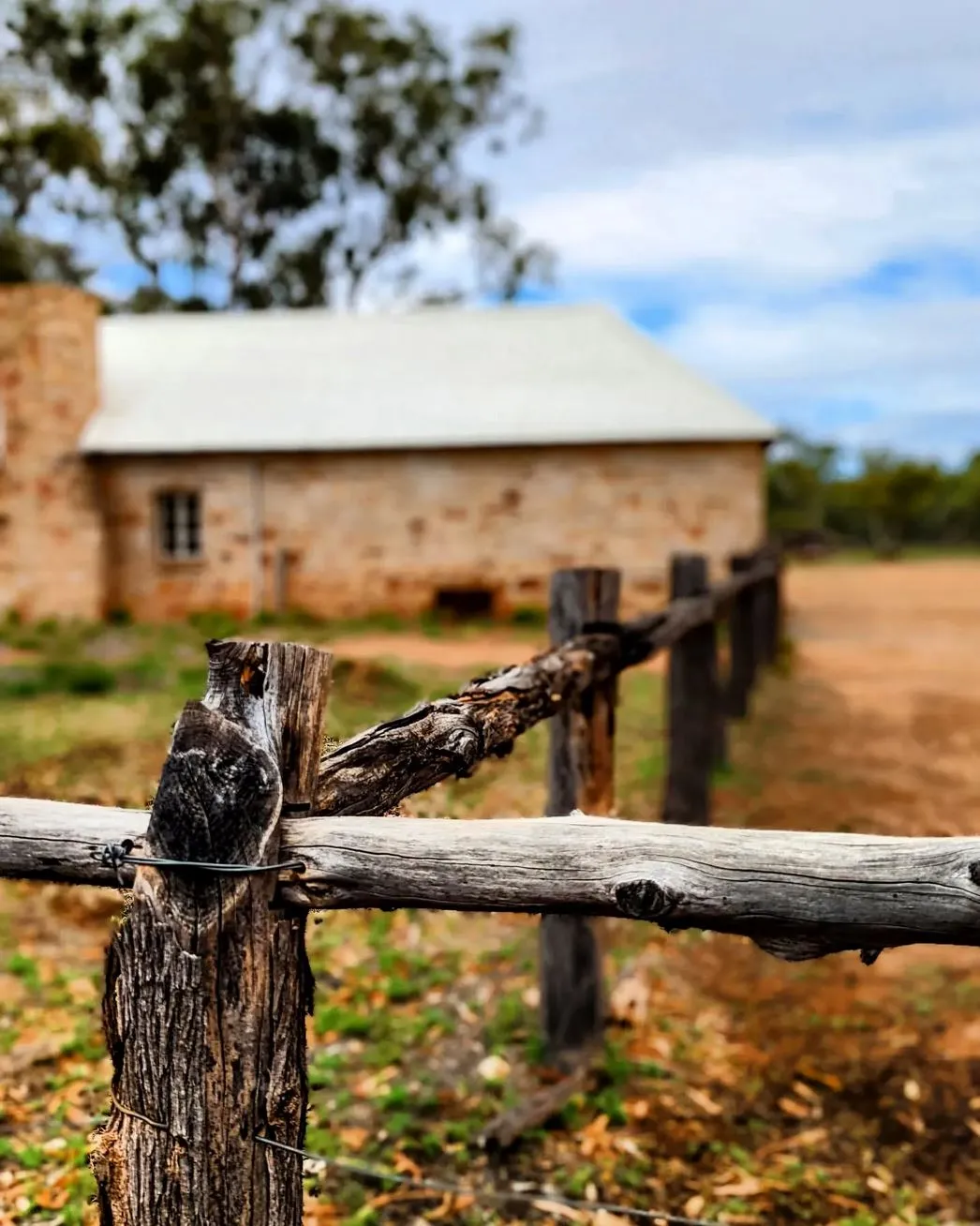
- Alice Springs Telegraph Station: A starting point with water.
- Simpsons Gap: A water refill point with campsites nearby.
- Ellery Creek Big Hole: Water all year and camp shelter.
- Ormiston Gorge: Permanent water and hot showers.
- Glen Helen Gorge: Water and amenities nearby.
- Serpentine Chalet Dam: Check before using.
- Jay Creek, Hugh Gorge, Mulga Camp and Serpentine Gorge: Water tanks for solo walkers.
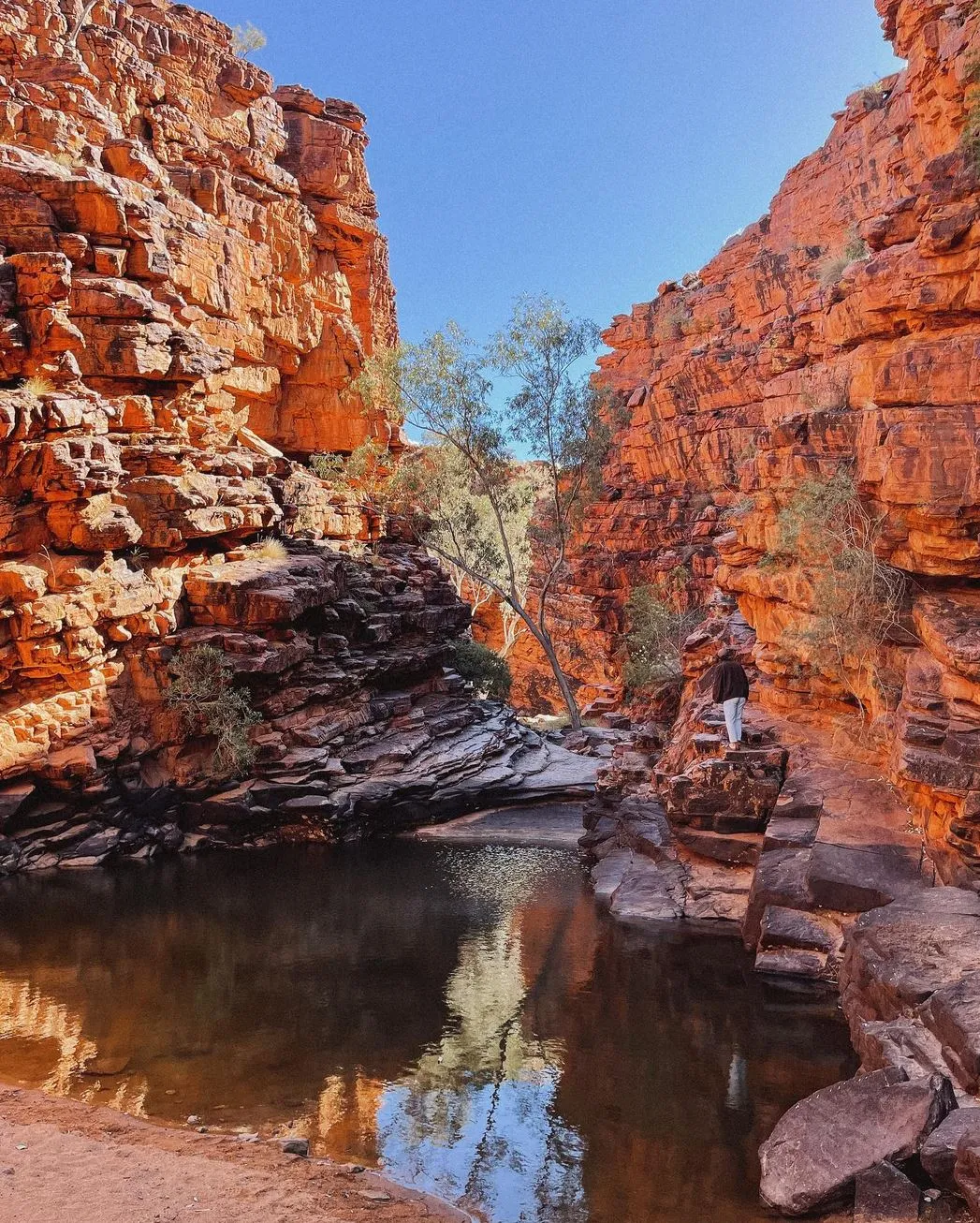
Tips for Managing Water on the Trail
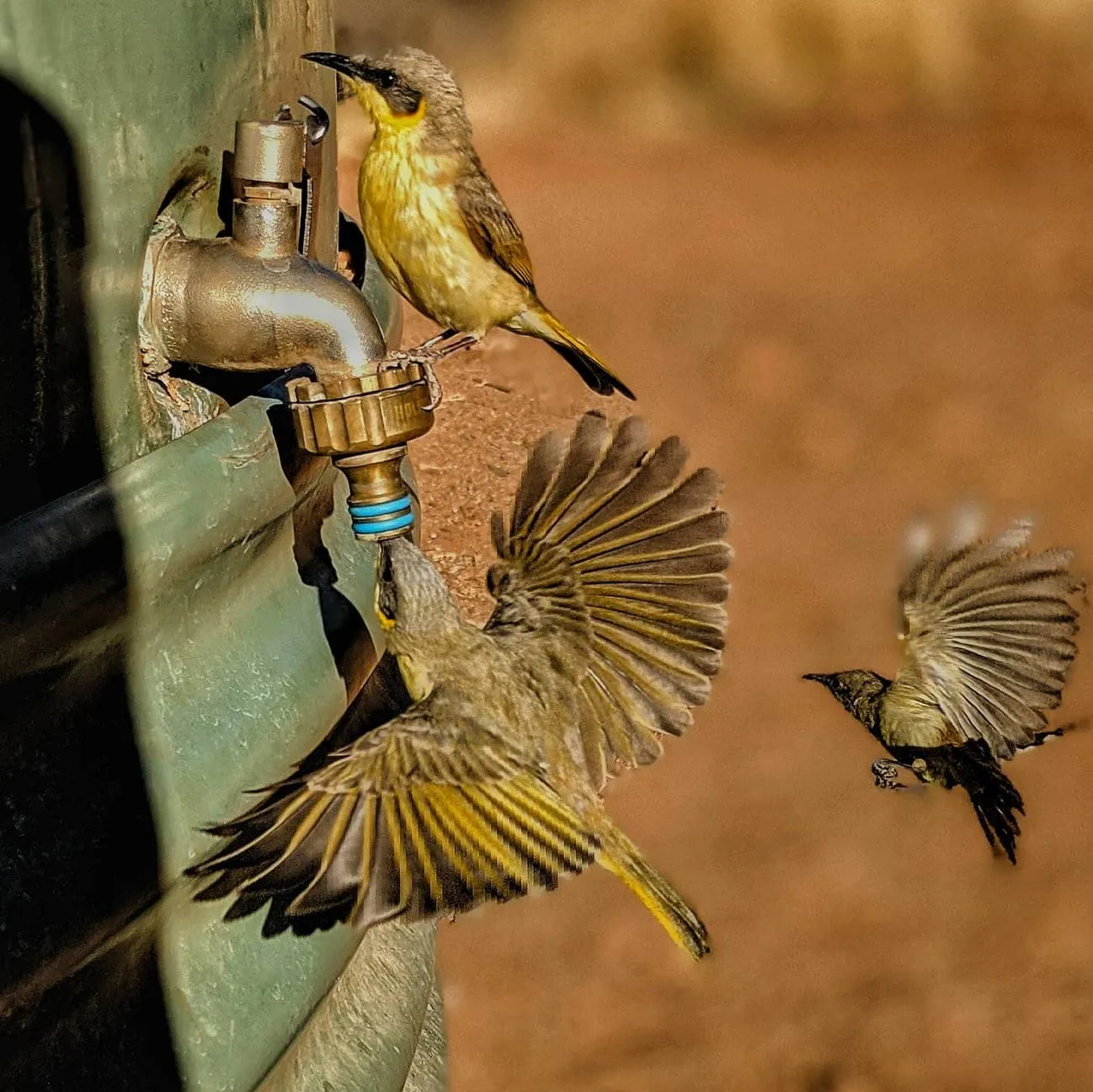
- Carry Enough for Each Section
Some sections like Wallaby Gap and Rocky Bar Gap have no refill points. Always carry extra water in case of delays. - Use Water Purification Tools
For natural water sources carry a water filter or purification tablets to make water drinkable. - Check Availability
Check water tank levels through Larapinta Trail Trek Support or local rangers. - Balance Weight and Hydration
Use lightweight containers like hydration bladders and collapsible bottles to carry the required litres of water without extra weight. - Add Hydration to Your Gear List
A water bottle, purification tablets and electrolyte supplements should be in every trail prep guide.
Hydration for Multi Day Treks
For multi day hikes water planning is even more important. Many campsites like Mulga Camp and Ellery Creek South have water tanks but the water supply is not always reliable. Hikers should carry at least 6-8 litres per day for drinking, cooking and washing.
Pack List for Water Needs:
- A hydration bladder (3 litres or more) for on the go.
- Two 1 litre bottles for backup.
- A lightweight collapsible container (2-3 litres) for campsite use.
- Water purification tablets or portable filter for natural water sources.
Seasonal Notes
Best Time to Trek:
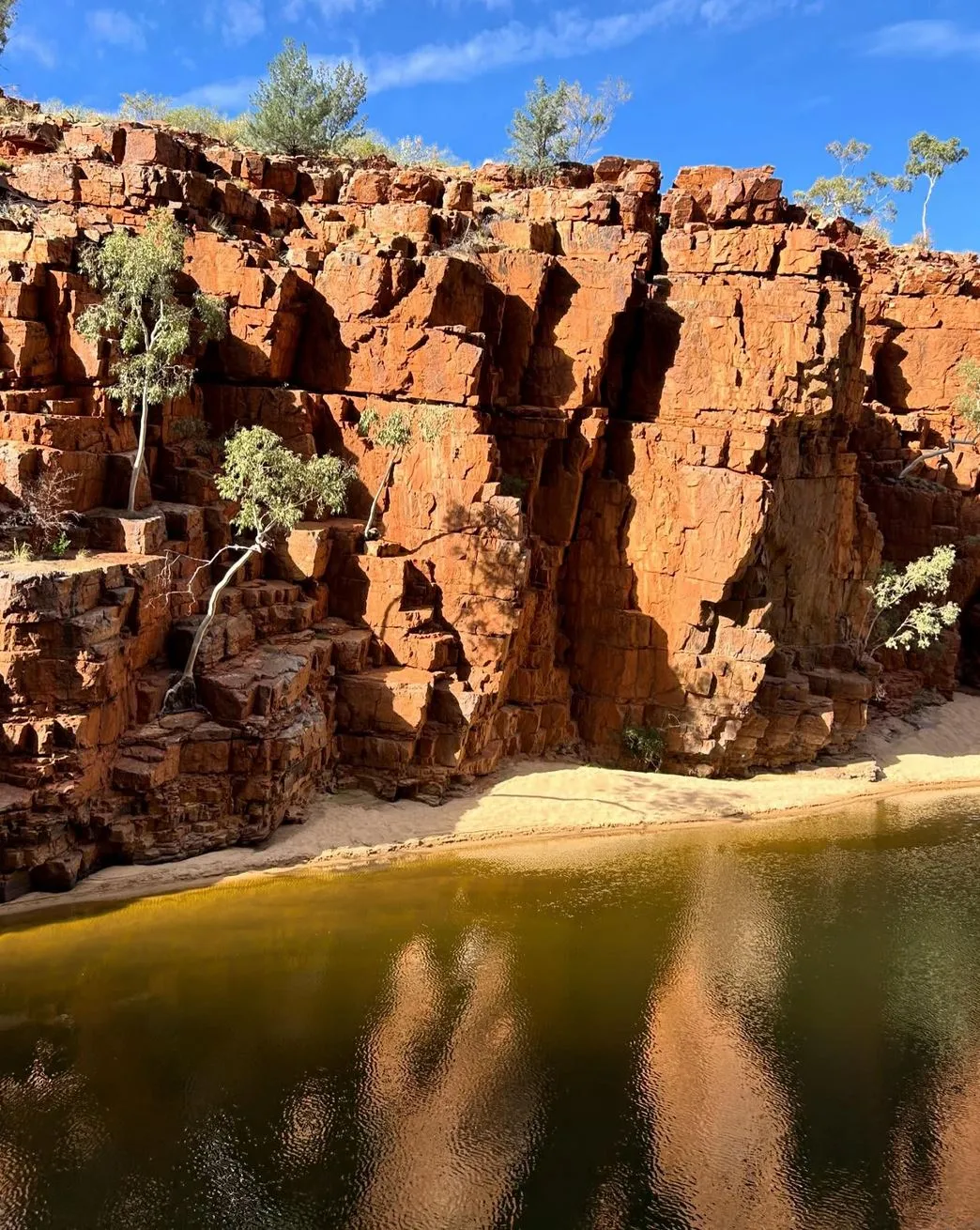
- Winter (May to August): Cooler temps means lower water needs (3-4 litres per day).
- Spring/Autumn (March to April, September to October): Moderate conditions means 5-6 litres.
- Summer (December to February): Avoid due to extreme heat and dehydration risk.
Hydration Packing Essentials
- Larapinta Trail Gear List: Include hydration bladders, collapsible bottles and backup filters.
- Food Drops: Use Larapinta Food Drops to reduce food bag weight and make room for water.
- Camping Gear: Make sure you have space for camping fees and gas canisters for boiling water if needed.
- Personal Care: Lip balm is essential to combat dehydration.
Accommodation and Resupply
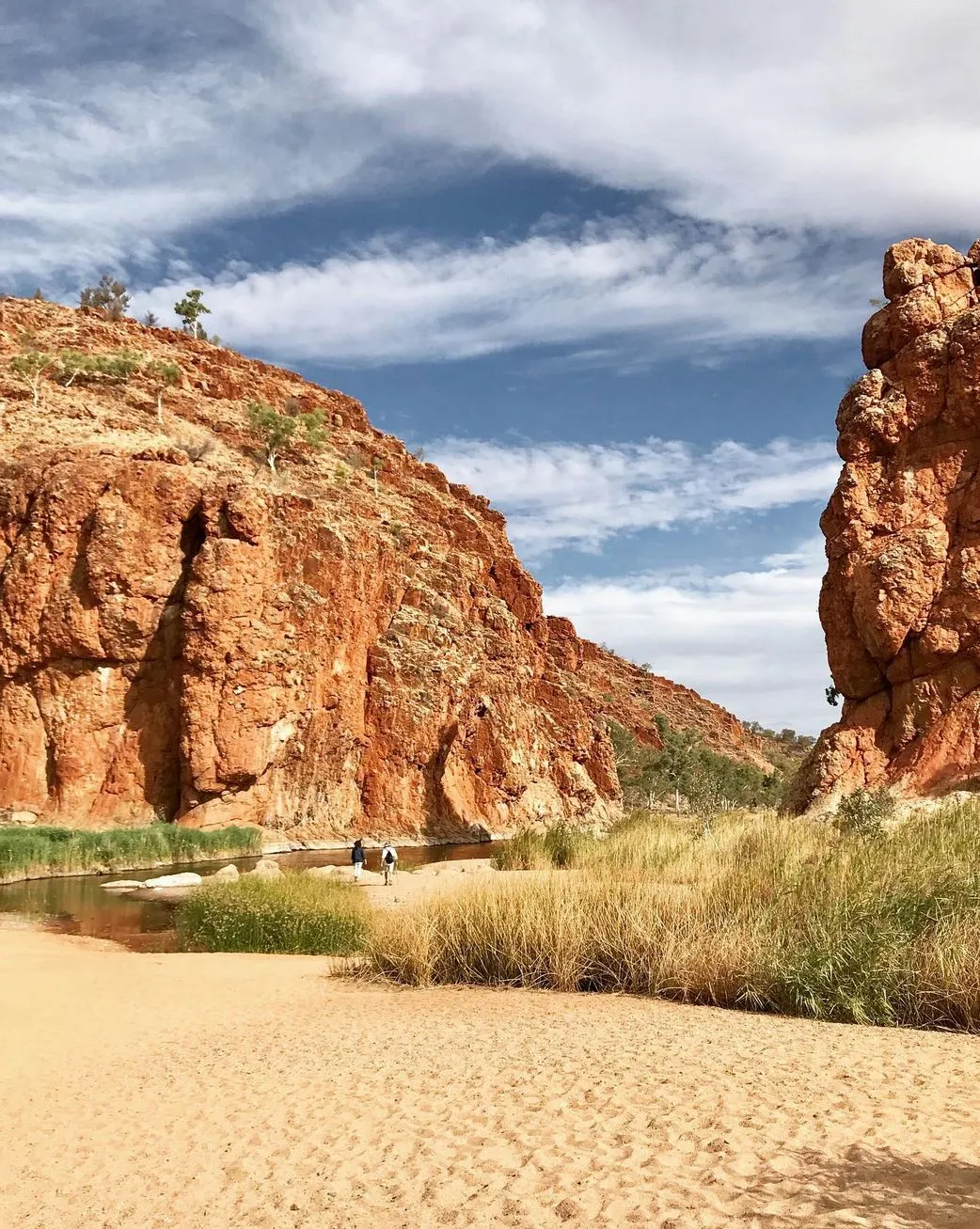
For those hiking the whole trail there are accommodation options at several points along the way including Ellery Creek North, Glen Helen Gorge and Serpentine Chalet. Many of these places have showers, potable water and resupply points for food and water.
Budget-conscious hikers can also stock up on supplies at cheap supermarket options in Alice Springs before starting their trek.
Conclusion
The Larapinta Trail is a tough but rewarding walk with spectacular views, amazing ridges and unforgettable encounters with the raw beauty of the Northern Territory. Proper hydration planning is key to making the most of your Larapinta Trail tour and staying safe on this trail. With proper planning including monitoring water sources, carrying extra water and staying up to date with trail conditions you’ll be ready for this iconic adventure.
The trail is remote so carrying enough water is crucial for safety and enjoyment, a lesson learned by experienced operators like Autopia Tours who take adventurers across Australia’s most beautiful landscapes.
FAQs
How much water should I carry per section of the Larapinta Trail?
3-5 liters per day section and 6-8 liters for multi day hikes or dry camps.
Are there water sources along the trail?
Yes, sites like Ellery Creek Big Hole, Ormiston Gorge and Simpsons Gap have water but always check before you go.
What if a water tank is dry?
Carry extra water as a backup and use purification for natural water sources.
Can I do the trail unsupported?
Yes but independent walkers should plan for food drops, camping gear and hydration to manage the trail safely.
When is the best time to walk the Larapinta Trail for water management?
Winter (May to August) is best, cooler temps reduce water needs and natural water sources are more reliable.