Contents
Snorkelling at Ningaloo Reef
Popular Spots for Snorkeling
When it comes to snorkelling in Australia, few destinations can rival Ningaloo Reef in terms of spectacularity. Below are some top locations where you can see vibrant marine life against a stunning backdrop created by corals:
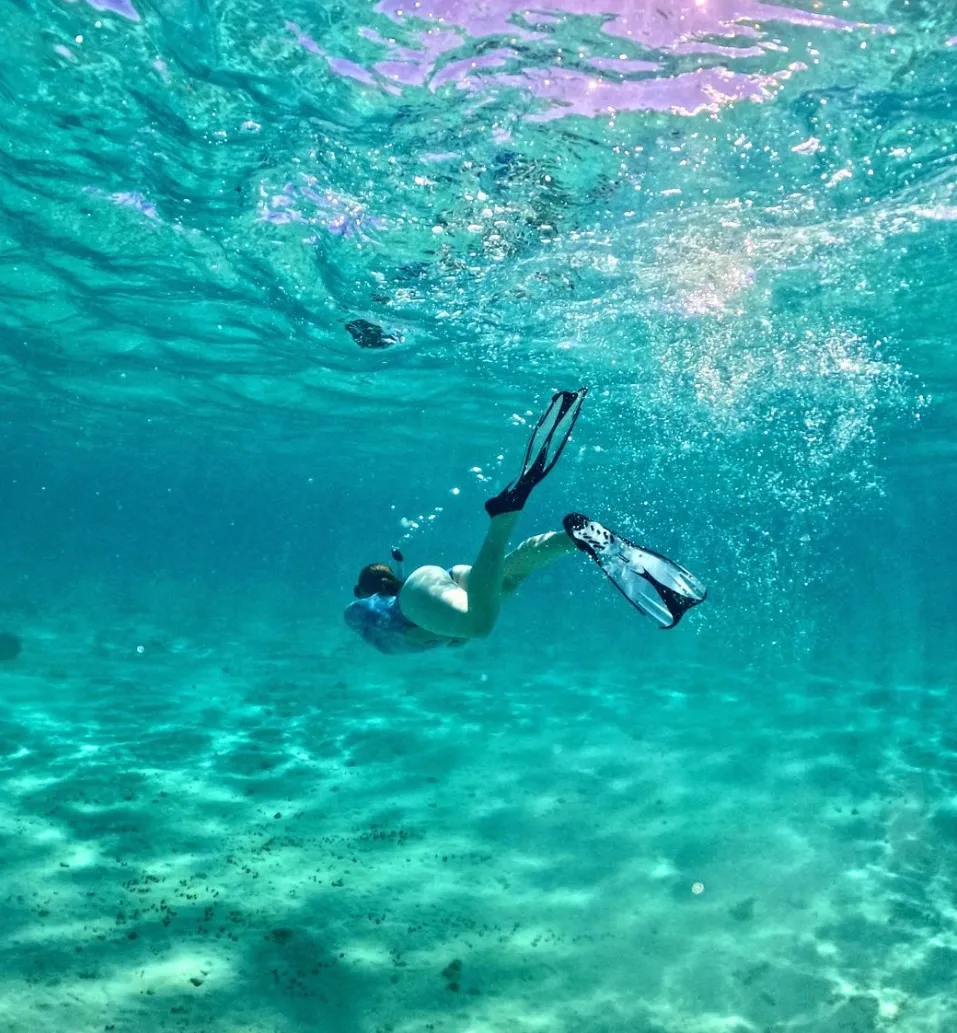
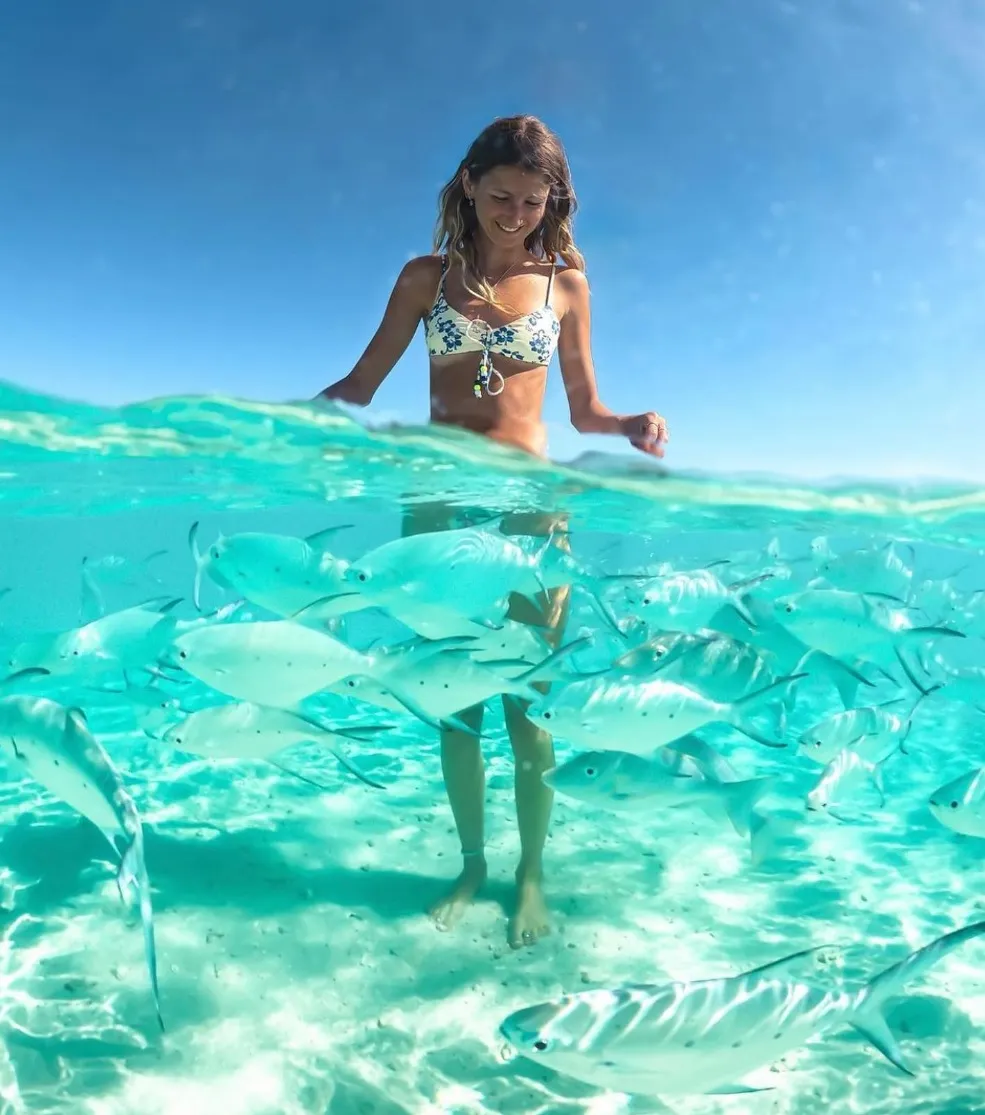
Turquoise Bay: With its turquoise water and white sandy beach, this place may seem like every snorkeler’s fantasy come true. There is even a current-assisted drift snorkel along colourful corals teeming with fish, which beginners too can enjoy due to the shallow depth close to the shoreline, making it easier for nonwimmers to participate without fear they will drown since they will always find something solid beneath their feet.
Coral Bay: Located farther down southwards than other sites mentioned earlier on this list, Coral Bay offers an opportunity not only to explore different types of corals but also encounter various other marine species. The protected tranquil waters provide excellent conditions for both starters and experienced divers who wish to observe everything ranging from tropical fish to sea turtles among others.
Osprey Bay: If you’re looking for a less crowded spot with lots more vibrant corals alongside plenty of marine life, then Osprey Bay should be your choice destination while snorkelling on Ningaloo Whale shark tours. The clear water in this bay enables easy viewings of the complex structures of characteristic reefs as well as their inhabitants – colourful fishes.
What to Expect While Snorkeling
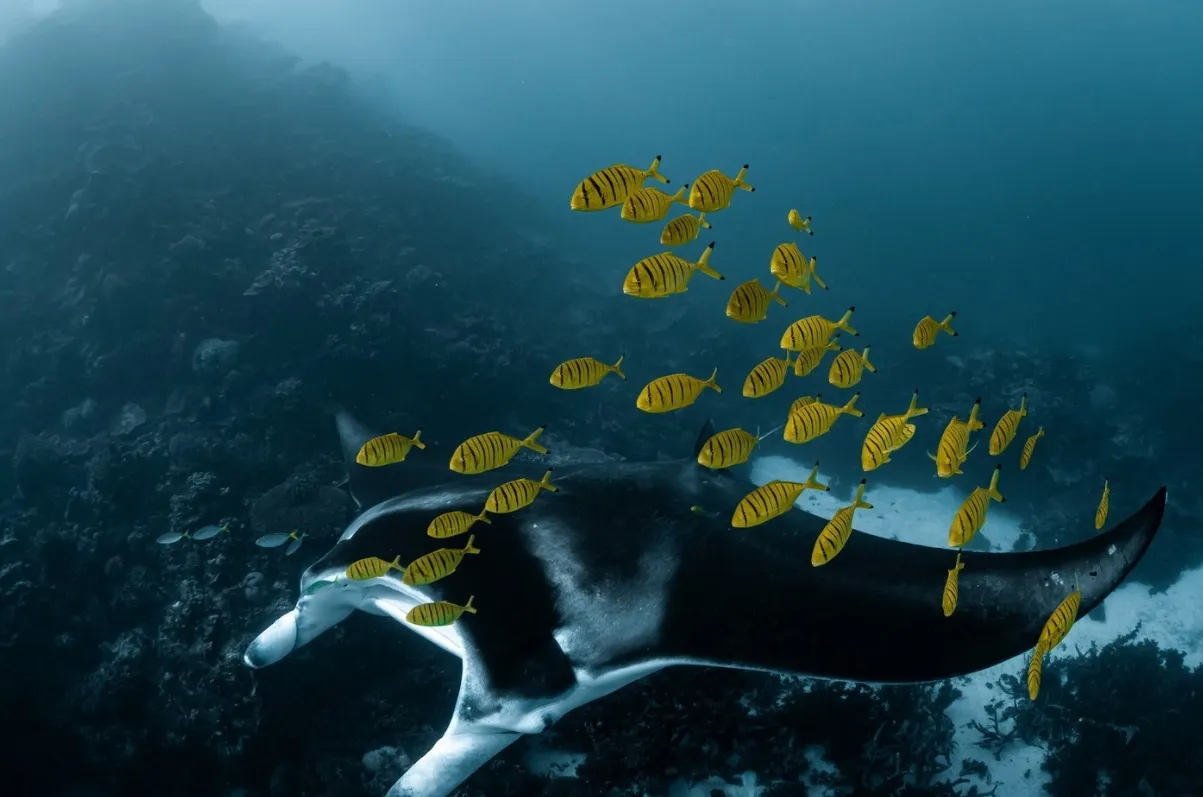
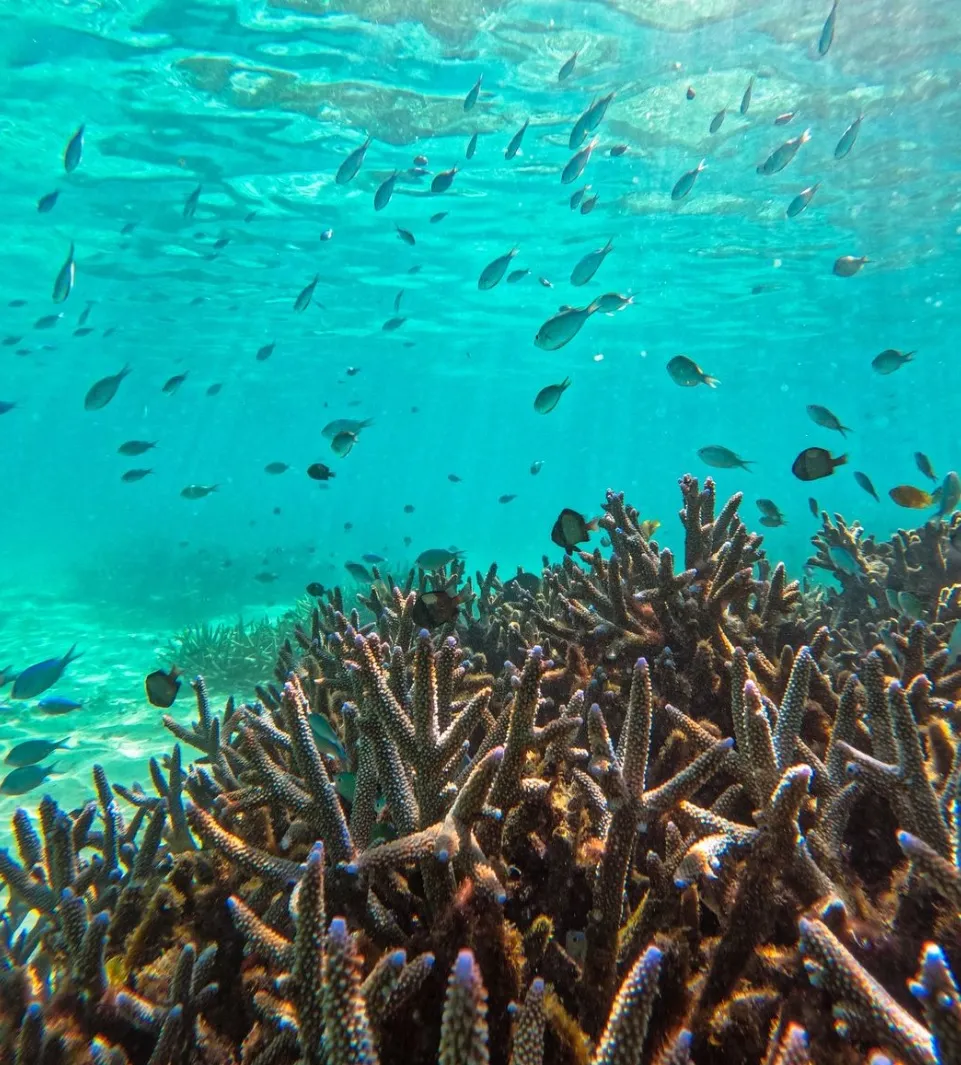
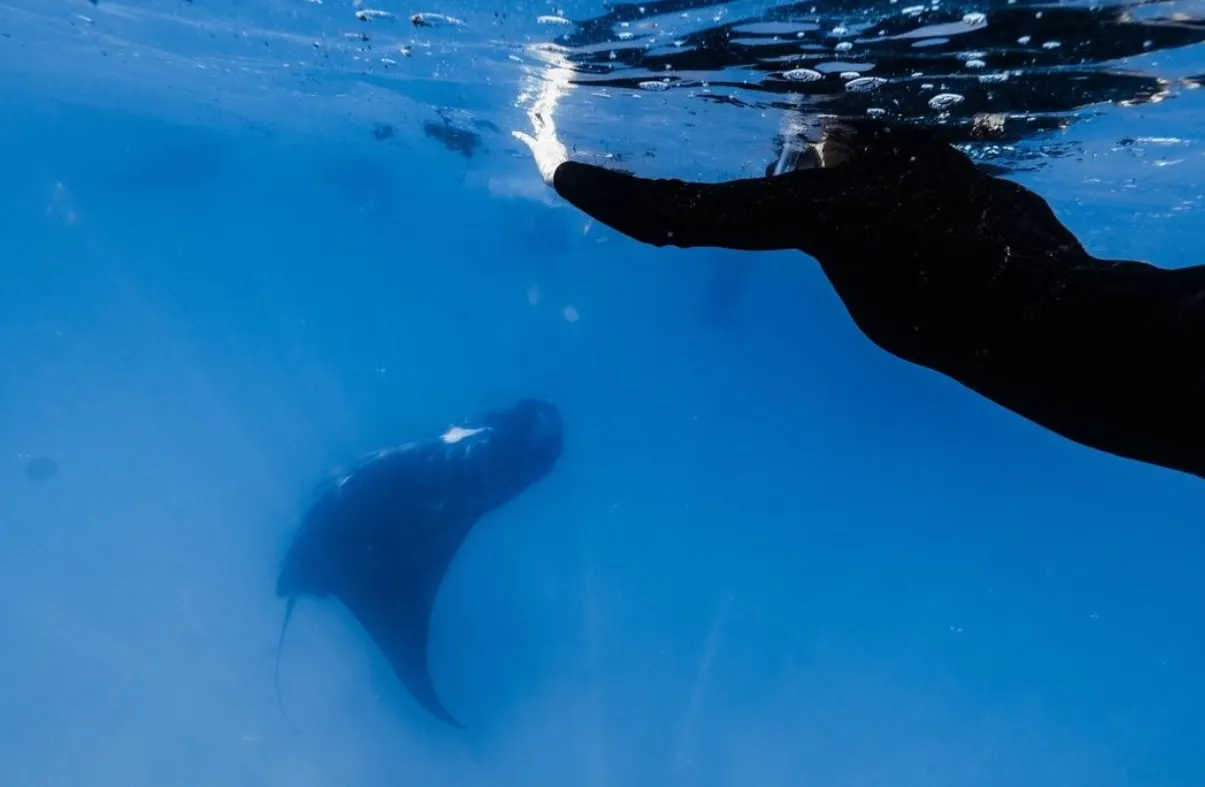
When snorkeling at Ningaloo Reef you can expect a variety of underwater landscapes and marine life. The reef is home to hundreds of types of colorful fish, including wrasse, parrotfish, and damselfish. A beautiful backdrop is created by the lively coral gardens that lie beneath the surface; there are soft corals as well as hard ones which provide a kaleidoscope effect in terms of colors. During their underwater adventure, people who go snorkeling might also come across big gentle creatures such as whale sharks or manta rays.
The water temperature usually ranges from 22°C to 28°C, so it is comfortably warm for long periods of snorkelling. Due to this and thanks to crystal clear water that allows excellent visibility all around, one may enjoy the beauty of the reef fully while snorkeling there. However safety precautions should not be neglected and marine environment must be respected always following local guidelines in order not to cause harm or disturb delicate corals and other organisms living in close association with them.
Snorkeling Equipment: What do I need?
To make sure you get the most out of your time snorkelling at Ningaloo Reef, it’s important that you have suitable equipment. Here is some essential snorkel gear:
Mask and Snorkel – These are both necessary for clear vision under water as well as easy breathing below the surface. The mask should fit tight against one’s face so no water gets inside while using it.
Fins – They help propel through water more efficiently without getting tired quickly by reducing fatigue caused due to continuous kicking movements required during swimming; therefore choose comfortable ones providing enough thrust for moving forward easily.
Wetsuit – Although temperatures are warm but still wearing wetsuits will protect against sunburns caused by excessive exposure towards sunlight, especially when spending long hours outdoors near beach areas where sea stingers might be present, occasionally leading to mild cold feelings if not protected properly.
Underwater Camera – A waterproof camera is a must-have for taking pictures of beautiful scenery and marine life during your snorkelling adventure at Ningaloo Reef. This will enable you to capture memories that can be cherished forever.
Snorkel Tours and Operators
If you want to explore Ningaloo Reef with help from professionals, there are many tour operators who offer these services. Here are some famous ones:
Coral Bay Ecotours: Specializes in eco-friendly snorkeling tours and offers a range of packages suited for different interests/budgets.
Ningaloo Reef Dive: Provides guided snorkelling tours as well as equipment rentals so people get personalized experiences while exploring this underwater paradise under professional guidance.
Kings Ningaloo Reef Tours: Offers half-day/full-day trips catering to both beginners & advanced snorkelers at various sites along the reef; they have designed their own boats which ensures comfortable journeys throughout the day even during rough conditions sometimes encountered in open sea waters.
Diving at Ningaloo Reef
Top Diving Sites
There is no shortage of dive sites around Ningaloo Reef where divers can explore unique underwater landscapes and encounter different types of marine life. Some popular ones include:
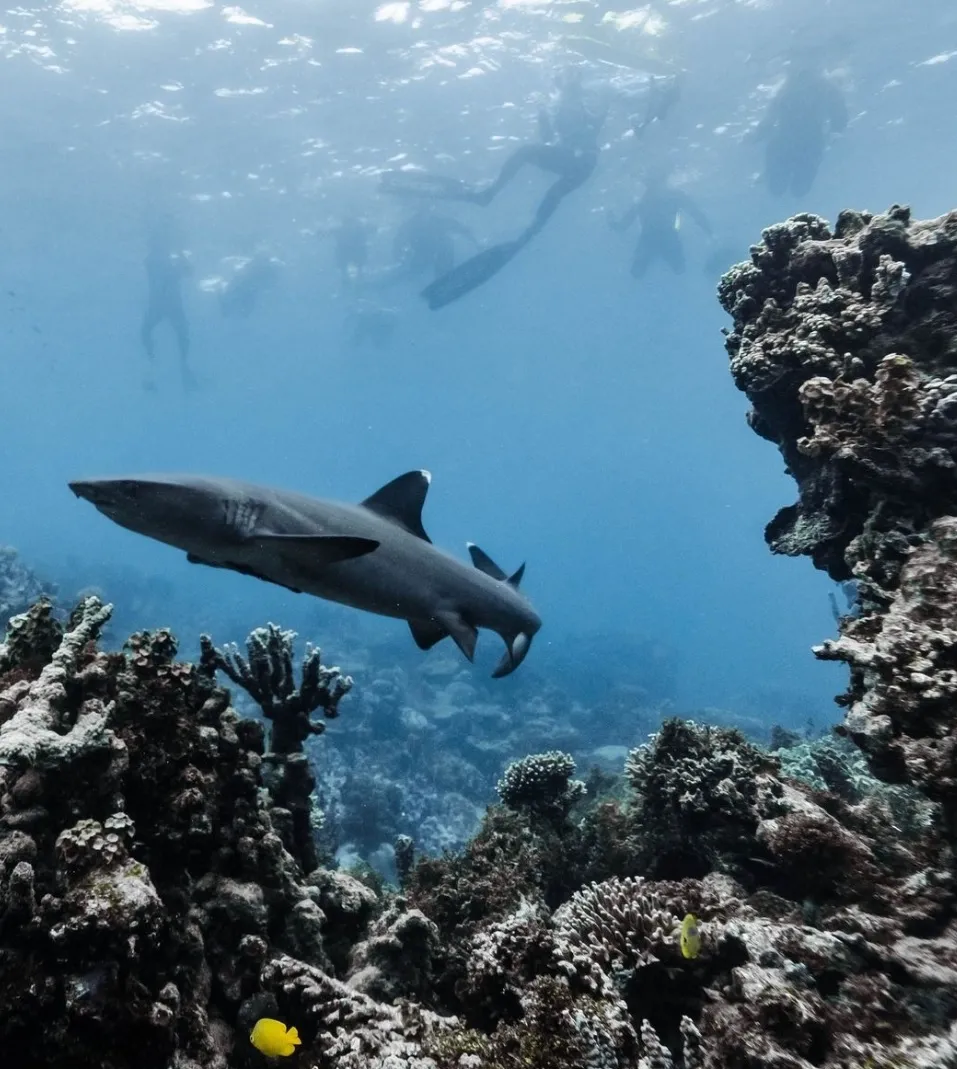
Mettam’s Pool – This site has underwater caves/swim-throughs which attract adventurous divers looking for an extra thrill while underwater. Besides having colourful corals it also hosts a variety of fish including reef sharks among others.
Ningaloo Canyon – Known for its deepness/dramatic terrain under water; here one gets chance to see larger coral formations alongside schools of fish due to presence deeper parts within the same area filled with more nutrients needed by these organisms (which may explain why they gather).
Diving Experience: What To Expect
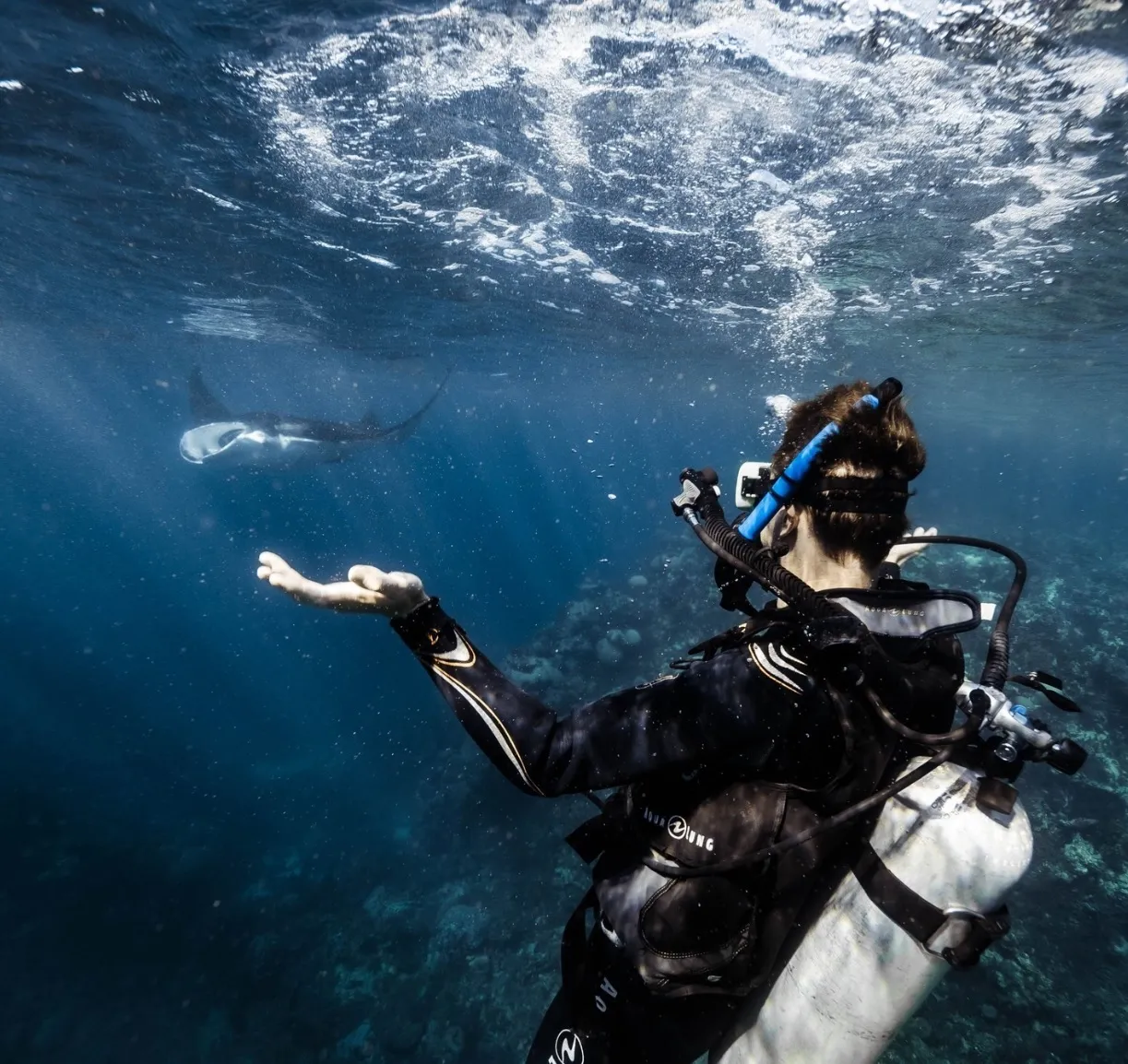
Ningaloo Reef diving is an immersion into one of Australia’s most pristine marine environments. Here are some of the things you can see when you dive:
Sharks and Rays of the Reef: There are different kinds of reef sharks that patrol the reef, and among them are white tip and black tip species. Manta rays, with their graceful movements, are also a favourite for many divers.
Colourful Coral Gardens: The coral gardens at Ningaloo Reef are alive with colour and intricate formations. Divers can explore hard corals and soft corals among other types of diverse corals.
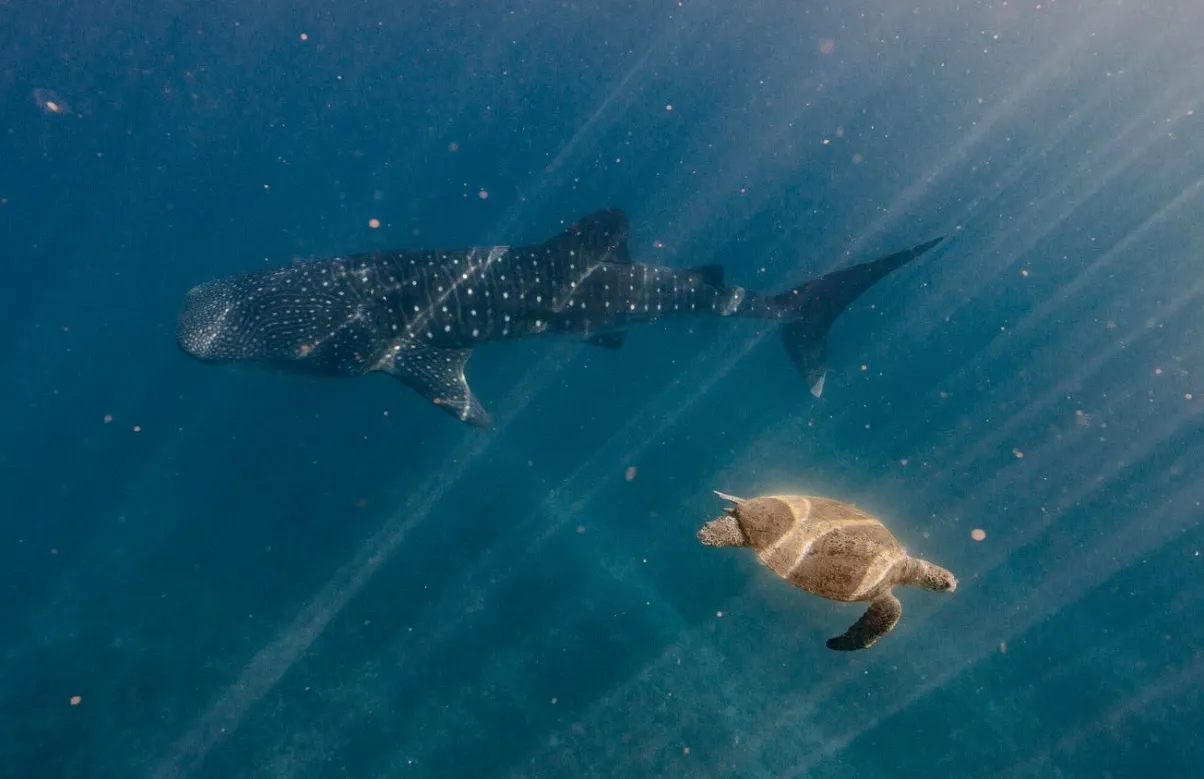
Whale Sharks: During the whale shark season, it is possible to swim alongside the biggest fish in the world while diving. These gentle giants visit from March to July which makes it an excellent time for diving.
Dive Operators & Tours
Several dive operators offer guided tours and packages for those who want to discover more about the underwater world of Ningaloo Reef. They provide everything from equipment rentals to guided dives so that you have a safe and enjoyable experience. Some notable operators include:
Exmouth Diving & Snorkel Centre – This company has comprehensive dive packages as well as experienced guides that cater for all levels at different sites within Ningaloo Reef.
Ningaloo Reef Dive – Offers both guided dives and private charters depending on your level or expertise required during each trip.
Sail Ningaloo – These guys specialize in combining sailing with diving adventures giving unique opportunities to explore various parts of Ningaloo Reef while enjoying being out on the water all day long!
How To Stay Safe
How To Stay Safe
Your safety should always be taken into consideration when snorkelling or diving at any place, including Ningaloo Reef. Therefore, here are a few tips:
Check Weather Conditions – Always check weather forecast before venturing out because sudden changes can affect visibility as well as general safety measures.
Stay Hydrated – Drink enough water before and after snorkeling or diving activity for body hydration which enables one to maintain energy levels throughout the day.
Buddy System – Always go with someone else who can assist in case of emergency thus enhancing personal safety while at the same time providing an overall safe experience.
How To Respect Marine Life & Ecosystems
All visitors have a responsibility to ensure that natural beauty is preserved; hence it calls for responsible behavior when visiting Ningaloo Reef. These are some guidelines:
Avoid Touching Coral: Coral reefs are very fragile therefore one should avoid touching them or even stepping on them as this might lead to their destruction.
Do Not Feed Marine Life: Feeding marine animals interferes with their normal diet pattern, thus affecting behavioural change too. Just watch from far without disturbing anything around you!
Follow Leave No Trace Principles – Carry away all garbage left behind and leave everything intact so that there could be no disturbance caused within environment itself also ensuring future generation will still find it clean.
Snorkelling and diving in Ningaloo Reef is a once-in-a-lifetime experience, where you can encounter various species of colourful fish, explore vibrant coral formations and swim in crystal-clear waters. Whether you are drifting through Turquoise Bay, exploring the outer reef or diving with giant whale sharks, this underwater wonderland promises unforgettable adventures for everyone who visits.
Keep an eye out for part two of our article series as we take a closer look at specific snorkeling and diving tours offered at Ningaloo Reef, share additional safety tips, and answer some frequently asked questions about exploring this incredible marine destination!
Swimming and Diving with Whale Sharks
Season of the Whale Shark
One of the best parts of snorkeling and diving in Ningaloo Reef is getting to see whale sharks – the largest fish in the world. Whale shark season starts from March to July, so this is a great time to be able to see them up close. They come to feed on plankton and small fish at Ningaloo Reef every year which makes for an unforgettable experience if you are lucky enough to see one.
Tours and Experiences with Whale Sharks
There are many different companies that offer tours specifically designed around swimming next to these magnificent creatures while they are still in their natural habitat. Some common features included with these types of trips include:
Snorkel Gear – This includes wetsuits, masks, and snorkels that are required for swimming next to such massive animals.
Guided Tours – Safety briefings provided by expert guides who have extensive knowledge about whale sharks and their behaviours.
Opportunities for Photos – Some tours will take pictures free charge throughout your excursion with the animal allowing you tangible proof later down the line when remembering this incredible adventure.
Tips for Swimming Next to a Whale Shark
Keeping safety and respect in mind, please follow these guidelines when swimming near or beside any large marine life:
Stay at least several feet away: Even though they might seem docile most times remember not too crowd or chase after them as it may provoke ill behavior from said creature towards humans.
Listen closely: Pay attention closely when approaching guide on best way how interact safely with whaleshark because he/she knows better than anyone else what needs doing during those moments spent together under water.
Make no sudden movements: Avoid creating excessive splashes which could potentially startle feeding creature thus interrupting its mealtime regimen that has been going on every day since time immemorial.
Guided Exploration: Expert guides lead the tours, giving knowledge about marine life in the reef and help you to make your adventure the best it can be.
Half-Day Tours
If you’re on a time crunch, half-day tours are more condensed experiences that usually include:
One or Two Key Sites: Visit one or two popular snorkelling or diving spots.
Shorter Duration: Ideal for those who prefer a shorter outing or have other activities planned.
Flexible Schedules: Often more flexible, allowing for easier planning and accommodation with your travel itinerary.
Conclusion
Ningaloo Reef is a marine paradise that offers some of Australia’s most spectacular snorkelling and diving. With its clear waters teaming with life such as vibrant coral gardens, this place should be on everyone’s bucket list if they’re looking for an unforgettable underwater experience. Whether you’re swimming alongside giant oceanic manta rays or exploring massive, intricate formations of hard corals at depths down to 30 metres (98 feet), Ningaloo Reef promises to deliver memories that will last forever. So grab your mask & snorkel set, book onto one of many available tours and dive into an enchanting world that lies beneath its waves – it’ll change your life!
FAQs
What is the perfect time to go to Ningaloo Reef to snorkel and dive?
The months of March through November are ideal. Diving is best between June and August when visibility is excellent and there are whale sharks around.
Do I need a special permit to dive or snorkel in Ningaloo Reef?
No, you do not need any permits for recreational diving or snorkeling. Only check with local authorities if engaging in commercial activities or tours.
Is there anything I should be concerned about safety-wise?
Keep an eye out for marine stingers as well as strong currents; ensure that you wear protective clothing and stay updated on local conditions.
Can I rent equipment for diving or snorkelling at Ningaloo Reef?
Yes, you can rent equipment in both Exmouth and Coral Bay. It’s advisable to make reservations ahead of time during peak seasons.
Are there any guided tours for diving and snorkelling?
Indeed, there are many guided tours available that provide transportation, expert guides, and all necessary gear.